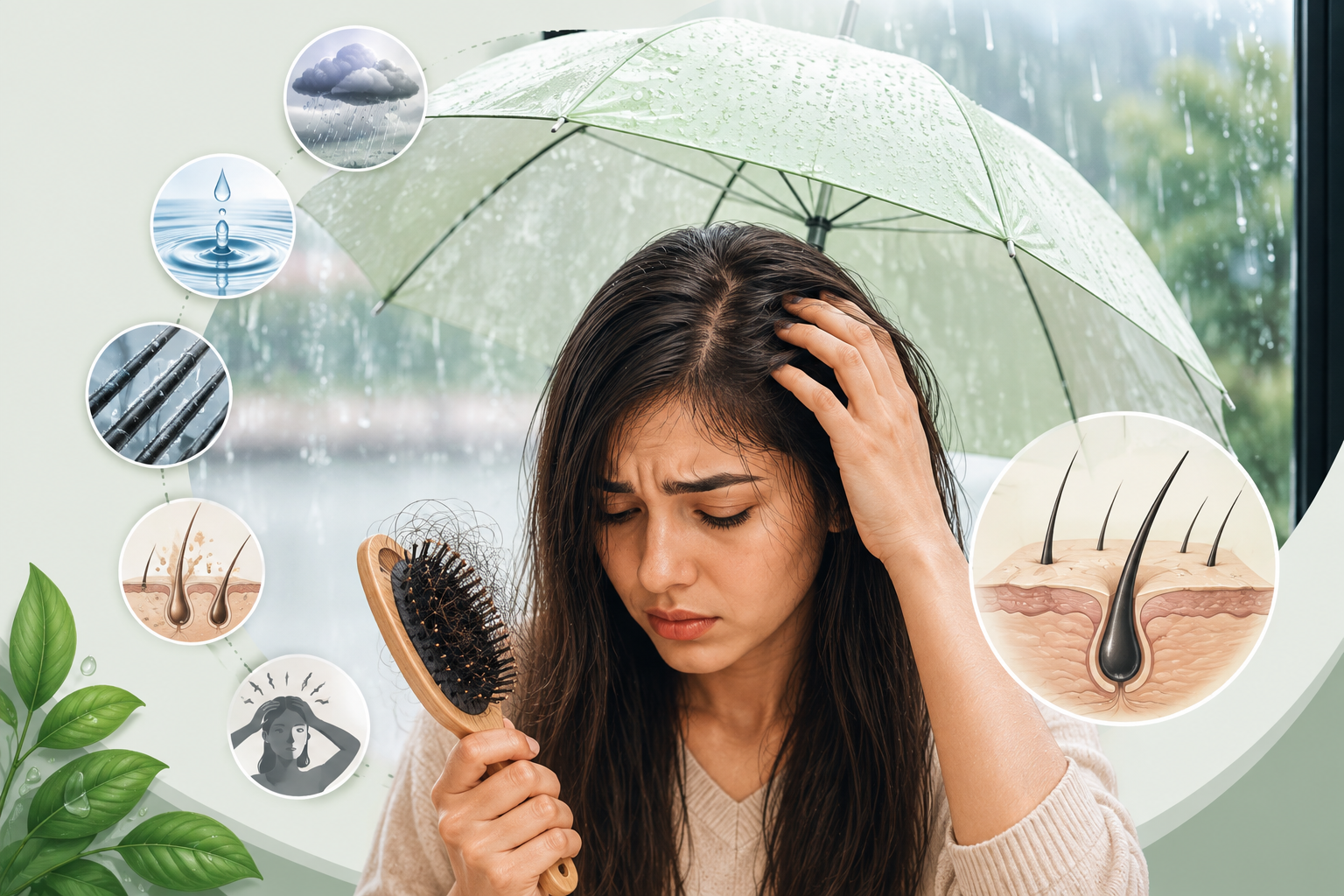
Hair fall is a scary dream that scars millions of people every year and it is one of the top concerns that has been frequently discussed with dermatologists or hair care experts. People believe in each and every advertising and promotion going around them, claiming “thicker, fuller and healthy h air in weeks” and at the end, mostly get disheartened and frustrated. The matter is not the solutions, the matter is about choosing the right set of solutions especially when it comes to pills and powders labeled as “hair growth supplements.”
Now the question that might arise is whether hair growth supplements actually work or not. The short and simple answer to this is that supplements can help, but only when your hair loss is caused due to missing nutrients and other necessary things inside your body that supplement can fill up for. Don’t consider it as miracles. They are simply known as supplements that provide the missing supplies of necessary nutrients in your body.
For genetic balding or complete smooth scalp, it does not promise to regrow hair, as it is not a deficiency. But, it works when people are dealing with stress, poor diet, postpartum changes or other nutrient issues. For them it’s a powerful solution. In this article, we will take a deep understanding about them, why it is needed, when it is effective and how to use it.
Table of Contents
What is the Hair Growth Cycle and What it requires to Grow?
Hair doesn’t grow in any way. It has a natural process and cycle of its own. Each strand follows three phase natural cycle:
- Anagen, which is a growth phase of hair that lasts 2 to 7 years
- Catagen, which is a transition phase that lasts about 2 weeks
- Telogen, which is a resting or shedding phase that lasts 2 to 4 months
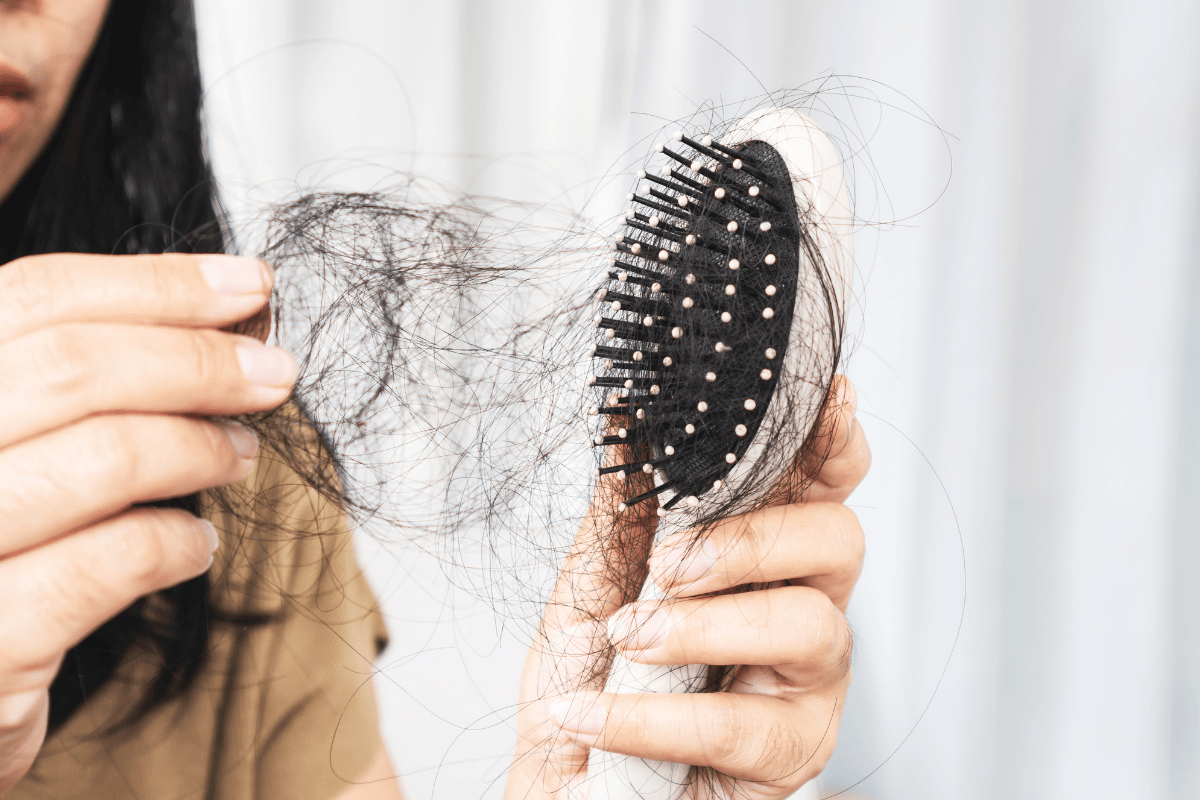
At any given time, about 90 percent of your hair should be in the growth phase. But when your body lacks key nutrients, more follicles shift into the resting phase early. That’s when you start seeing extra shedding—often 100 to 300 strands a day instead of the normal 50 to 100.
This type of hair loss is called telogen effluvium, and it’s usually temporary.
Common triggers include:
- Rapid weight loss or crash dieting
- Pregnancy and childbirth
- High physical or emotional stress
- Thyroid imbalances
- Iron or vitamin deficiencies
The good news? Once the trigger is addressed, hair often returns to its normal cycle within 6 to 9 months. And that’s where targeted nutritional support can speed up recovery.
Which Nutrients Actually Support Hair Growth?
Not every vitamin helps hair. Some are essential. Others do little unless you’re severely deficient. Here’s what matters most—and why:
Biotin (Vitamin B7)
Biotin plays a direct role in keratin production. While true biotin deficiency is rare, low levels—common in people who avoid eggs, nuts, or dairy—can lead to brittle hair and increased breakage. Studies show supplementation helps reduce shedding in those with marginal deficiency.
Folic Acid (Vitamin B9)
Folic Acid supports rapid cell division in hair follicles. Low levels are frequently seen after pregnancy or in diets low in leafy greens. Without enough folic acid, new hair cells don’t form efficiently, leading to slower growth and thinning.
L Cysteine
L Cysteine is a sulfur rich amino acid and a core building block of keratin. It strengthens the hair shaft from the inside out. People with low protein intake often lack sufficient L cysteine, resulting in weak, easily broken strands.
Zinc
Zinc regulates the oil glands around hair follicles and helps control the shedding cycle. Even mild zinc deficiency can cause diffuse hair loss, especially around the temples and crown.
Iron
Iron carries oxygen to the roots. Low iron stores (measured as ferritin) are one of the most common reversible causes of hair fall in women. Ferritin below 50 ng/mL often correlates with increased shedding—even if you’re not technically anemic.
Niacin (Vitamin B3)
Niacin improves blood flow to the scalp, ensuring follicles get the oxygen and nutrients they need. Antioxidants like selenium and vitamin E protect follicles from oxidative stress caused by pollution, UV exposure, and inflammation.
These nutrients work best together—not in isolation, and not in mega doses. Balance is key.
When Hair Supplements Make Sense?
Supplements are most effective for nutritional or stress related hair loss, not genetic thinning. If your father or mother experienced pattern baldness, supplements alone won’t stop it. That type of hair loss is driven by hormones (like DHT) shrinking follicles over time, and it requires medical treatments like minoxidil or finasteride.
But if your hair fall started after:
- Giving birth
- Losing weight quickly
- Going through a major illness
- Starting a restrictive diet
- Experiencing prolonged stress
then a well formulated supplement can help your body recover faster.
A simple blood test for ferritin, vitamin D, B12, and thyroid hormones can reveal if a deficiency is playing a role. Many patients are surprised to learn their “normal” iron level is actually too low for healthy hair.
Why is the Trichospire Plus Hair Kit a Smart Choice?
Trichospire Plus Hair Kit is designed for people with deficiency related hair fall. It’s a dermatologist formulated blend targeting the exact nutrients most often missing in people with increased hair fall.
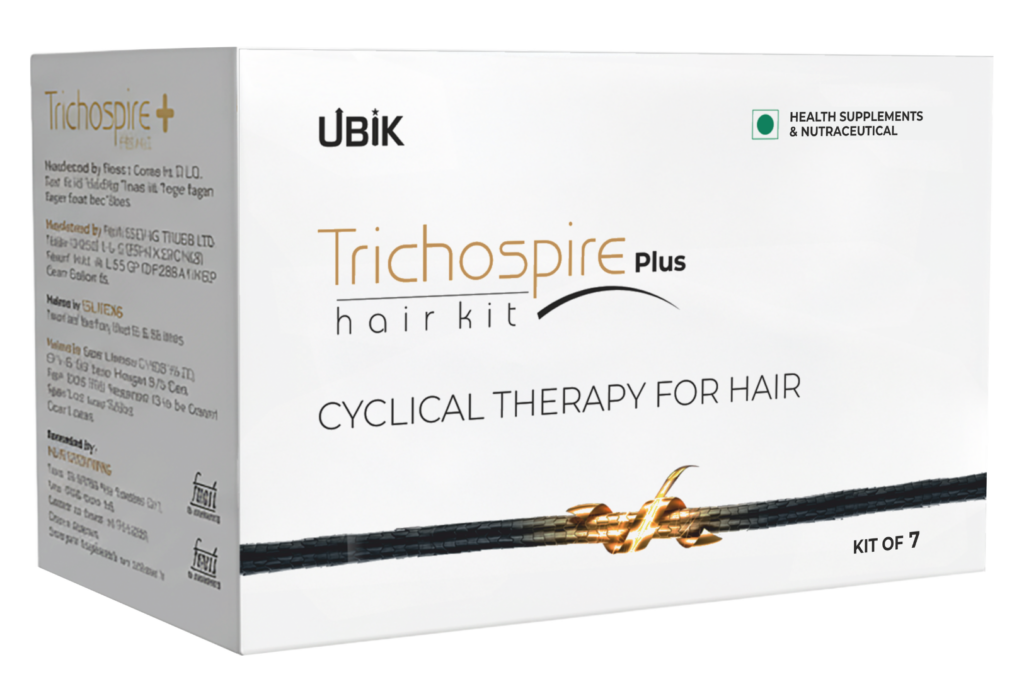
It includes:
- Biotin and folic acid for keratin synthesis and cell turnover
- L Cysteine to strengthen the hair shaft
- Zinc and selenium to regulate shedding and protect follicles
- Balanced doses that avoid the pitfalls of megadosing
How it helps:
- Reduces excess shedding caused by nutritional gaps
- Supports stronger, less brittle new hair growth
- Helps restore normal hair cycle timing after stress or illness
- Improves overall hair resilience and manageability over time
- Works best when used consistently for 3 to 6 months
How to Use Hair Supplements the Right Way?
Give it time. Hair grows slowly, about half an inch per month. Even with perfect nutrition, visible results take weeks.
Most people notice less hair in the shower or on their brush within 8 to 12 weeks. Full improvement in thickness and regrowth may take 4 to 6 months.
Take your supplement with food for better absorption. Pair it with external care: avoid tight hairstyles, limit heat styling, and keep your scalp clean. New hairs are fragile, and mechanical damage can undo internal progress.
Supplements support growth, they don’t replace treatment for underlying conditions. If your hair loss is sudden, patchy, or accompanied by scalp redness or pain, see a dermatologist first.
Final Thoughts
Hair growth supplements work when they address a real nutritional gap. They won’t reverse genetics, but they can absolutely restore normal shedding and support stronger, healthier hair when diet or lifestyle has left your follicles underfueled.
If you’ve been losing more hair than usual and haven’t checked your nutrient levels yet, it might be time. Reach out to Experts now. We will take you through the right direction, with the right solution and best suited treatment for your hair condition.

Ilesh Khakhkhar
Author
Ilesh Khakhkhar is the Founder & Managing Director of UBIK Solutions Pvt. Ltd., a leading cosmeceutical company in India. Starting from humble beginnings in 2003 with Ethicare Remedies, Ilesh has expanded his influence across the dermatology industry with multiple ventures including Ethinext Pharma and My Derma Store.
YOU MAY ALSO LIKE




WRITE A COMMENT
Login
0 Comments
Oldest