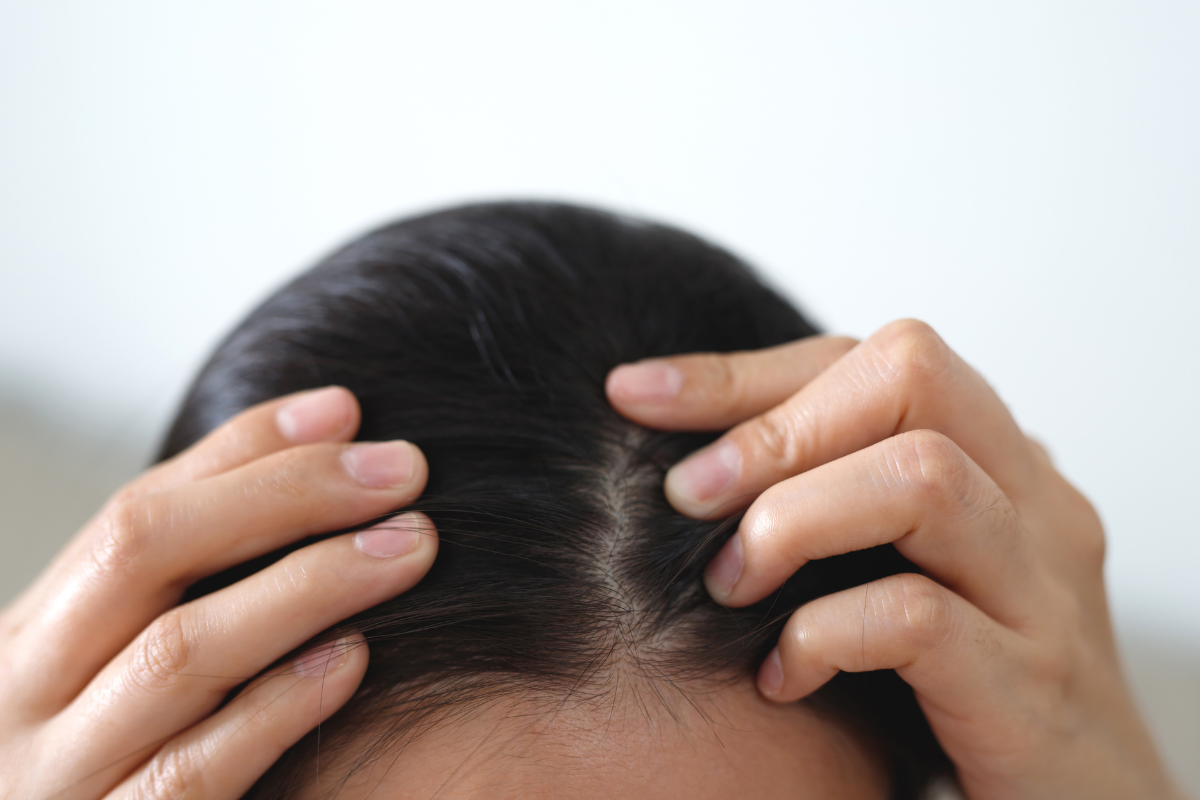
You may have noticed people scratching their heads all the time. You must be thinking about having dandruff. You are right but not all the time. This itching can have another reason too. It could be dandruff sometime and sometimes it could be itchy scalp. Now you must be thinking, what is the difference between Dandruff and Dry Scalp.
Dandruff and dry scalp both are two different skin conditions having their own causes and relevant treatments. Mixing the treatment approach can make the issue even worse and may result in more skin irritation, itchy conditions and persistent flakes.Knowing both the conditions in depth can let you choose the right hair care treatment to deal with it. In this article, we will take a quick tour on both conditions, their causes and relevant treatment to get rid of it.
Table of Contents
The Basics of Dandruff vs. Dry Scalp and Its Causes
Dandruff is a condition that happens when your scalp produces excess oil and that is an ideal condition for a yeast-like fungus known as Malassezia. This results in increased skin cell turnover, and produces larger, oily flakes that are quick noticeable. Along with it, dandruff mostly results in itchy, greasy scalp and can stay even though you go for regular washing and cleaning.
Dandruff is a condition mostly triggered due to stress, frequent changes in hair products, hormonal changes in the body and with the changing sensitivity of your hair to multiple hair care products.
Now, you must have doubts, how is dry scalp different then? – Sounds almost similar right? Yes, but it is a different condition mostly due to lack of moisture in your scalp. Opposite to dandruff, which happens due to excess oil production, itchy scalp happens when your scalp doesn’t produce enough of the natural oil and that makes your scalp dry, irritated and flaky.
These flakes are usually small, white and powdery like other dry parts of your body. It usually happens during the cold weather, frequent and too much shampooing your hair, and sometimes if you opt for some harsh hair products.
Causes for Dandruff Condition
- Overactive oil glands leading to fungal overgrowth
- Stress or hormonal changes that affect scalp health
- Sensitivity to hair care products (seborrheic dermatitis)
- Infrequent washing, allowing oil buildup
Causes for Dry Scalp Condition
- Cold weather and low humidity drying out the skin
- Frequent shampooing that strips natural oils
- Harsh hair products with sulfates and alcohol
- Not drinking enough water, leading to dehydration
Key Differences Between Dandruff and Dry Scalp
| Point of Differences | Dandruff | Dry Scalp |
| Cause | Excess oil and Malassezia fungus | Lack of moisture and dehydration |
| Flake Appearance | Oily, white or yellow flakes | Small, dry, white flakes |
| Scalp Condition | Greasy, inflamed, or red | Dry, irritated, and sometimes tight |
| Symptoms | Itchy scalp with visible flakes on hair and shoulders | Itchy, tight, or irritated scalp |
| Triggers | Oily scalp, fungal overgrowth, stress, hormonal changes | Cold weather, harsh shampoos, frequent washing |
| Scalp Type | Oily or combination | Dry or sensitive |
| Response to Moisturizing | Flakes persist or worsen | Flakes improve with hydration |
Symptoms to Identify Which One You Have
Figuring out whether you have dandruff or dry scalp comes down to observing how your scalp behaves under different conditions. If flakes persist despite moisturizing treatments, dandruff is more likely the cause.
On the other hand, if the itching and flaking improve with hydrating shampoos or oils, dry scalp is the issue. The texture and appearance of the flakes also provide clues—dandruff flakes tend to be greasy and yellowish, while dry scalp flakes are smaller and white.
Paying attention to when symptoms worsen, such as in cold weather or after skipping hair washes, can also help identify the problem.
Some Key Signs to Look For:
- Flakes improve with moisturizing → Dry scalp
- Flakes are greasy and yellowish → Dandruff
- Scalp feels tight and itchy → Dry scalp
- Scalp is oily with persistent flakes → Dandruff
- Symptoms worsen in cold weather → Dry scalp
- Flakes appear more after skipping washes → Dandruff
- Certain hair products make it worse → Could be either, depending on the product
Can You Have Both at the Same Time?
Yes, it’s possible to have both conditions at once. A scalp that is naturally dry may still develop dandruff due to irritation or an overgrowth of Malassezia. This often happens when a dry scalp overcompensates by producing more oil, creating an environment where dandruff can thrive.
People who frequently switch between hydrating and anti-dandruff treatments without addressing the root cause may find themselves dealing with both issues.
Managing both requires a careful balance. Overwashing can strip moisture, worsening dry scalp, while too much oil buildup can trigger dandruff.
A mild, hydrating shampoo combined with occasional dandruff treatments can help maintain scalp health without over-drying or making it too greasy.
How to Treat Dandruff and Dry Scalp?
Treating dandruff and dry scalp requires different approaches, as one is caused by excess oil and fungal activity while the other stems from a lack of moisture.
Using the wrong treatment can either strip essential oils from an already dry scalp or add too much moisture to a scalp that is already oily, making the condition worse.
Dandruff treatments focus on controlling oil production and reducing fungal growth, while dry scalp treatments aim to restore hydration and protect the skin barrier. Choosing the right hair products and adjusting your hair care routine can help keep your scalp healthy and flake-free.
Dandruff Treatment
- Use an anti-dandruff shampoo with ingredients like zinc pyrithione, ketoconazole, selenium sulfide, or coal tar to reduce fungal growth.
- Wash hair regularly to prevent oil buildup, which can worsen dandruff.
- Avoid heavy oils like coconut oil on the scalp, as they can trap excess oil and feed fungal growth.
- Exfoliate the scalp with a gentle scrub or soft-bristled brush to remove dead skin and excess flakes.
- Reduce stress levels, as stress can trigger or worsen dandruff.
- Limit hair styling products that contain alcohol or harsh chemicals, which can irritate the scalp.
Dry Scalp Treatment
- Switch to a sulfate-free, moisturizing shampoo to prevent stripping the scalp of natural oils.
- Use nourishing scalp oils like argan, jojoba, or almond oil to restore hydration.
- Limit shampooing to 2-3 times a week to retain natural moisture.
- Apply deep-conditioning treatments with ingredients like aloe vera or shea butter to soothe irritation.
- Avoid hot water while washing hair, as it can dry out the scalp further.
Summing it up
Flaky scalp issues can be frustrating, but knowing whether it’s dandruff or dry scalp makes a big difference in treatment. If your scalp needs hydration, focus on moisturizing products. If it’s oily with stubborn flakes, an anti-dandruff solution is the way to go.
Not sure which one you’re dealing with? Get expert advice from our dermatologists for a personalized solution. A healthy scalp is the foundation for healthy hair—let’s find the best care routine for you!

Ilesh Khakhkhar
Author
Ilesh Khakhkhar is the Founder & Managing Director of UBIK Solutions Pvt. Ltd., a leading cosmeceutical company in India. Starting from humble beginnings in 2003 with Ethicare Remedies, Ilesh has expanded his influence across the dermatology industry with multiple ventures including Ethinext Pharma and My Derma Store.
YOU MAY ALSO LIKE
WRITE A COMMENT
Login
0 Comments
Oldest