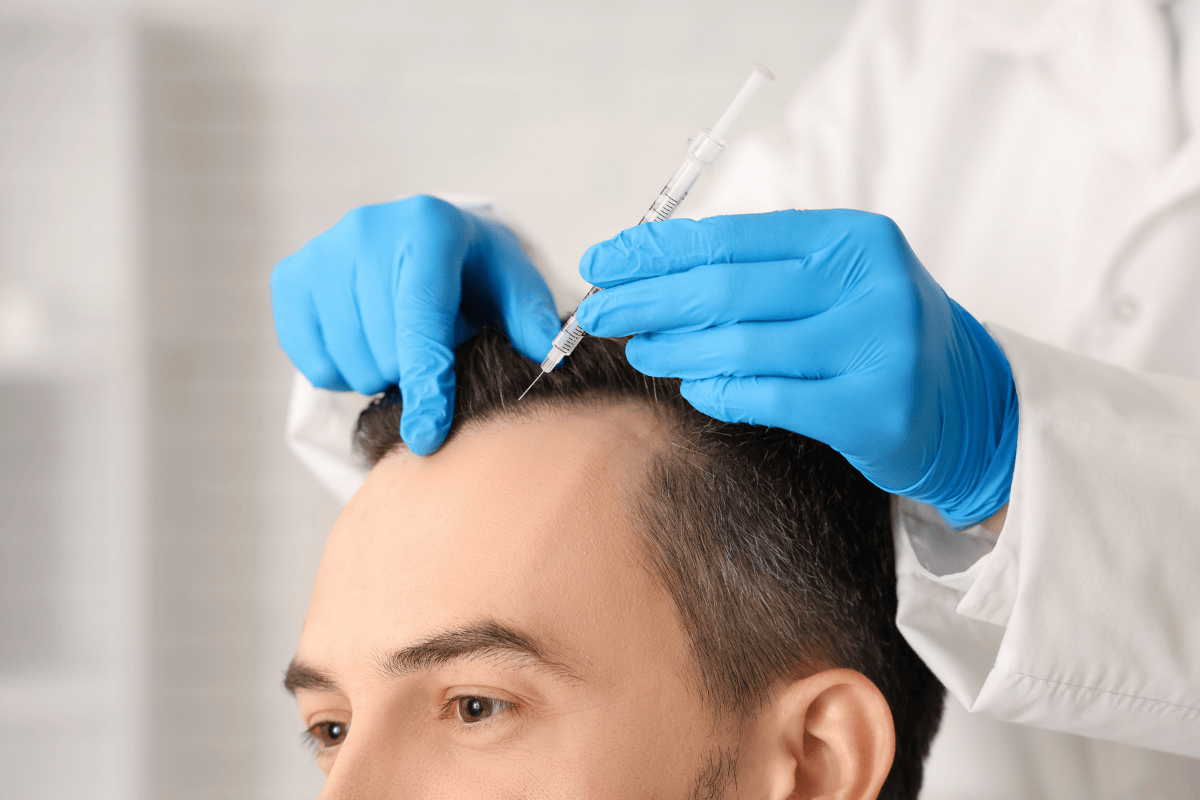
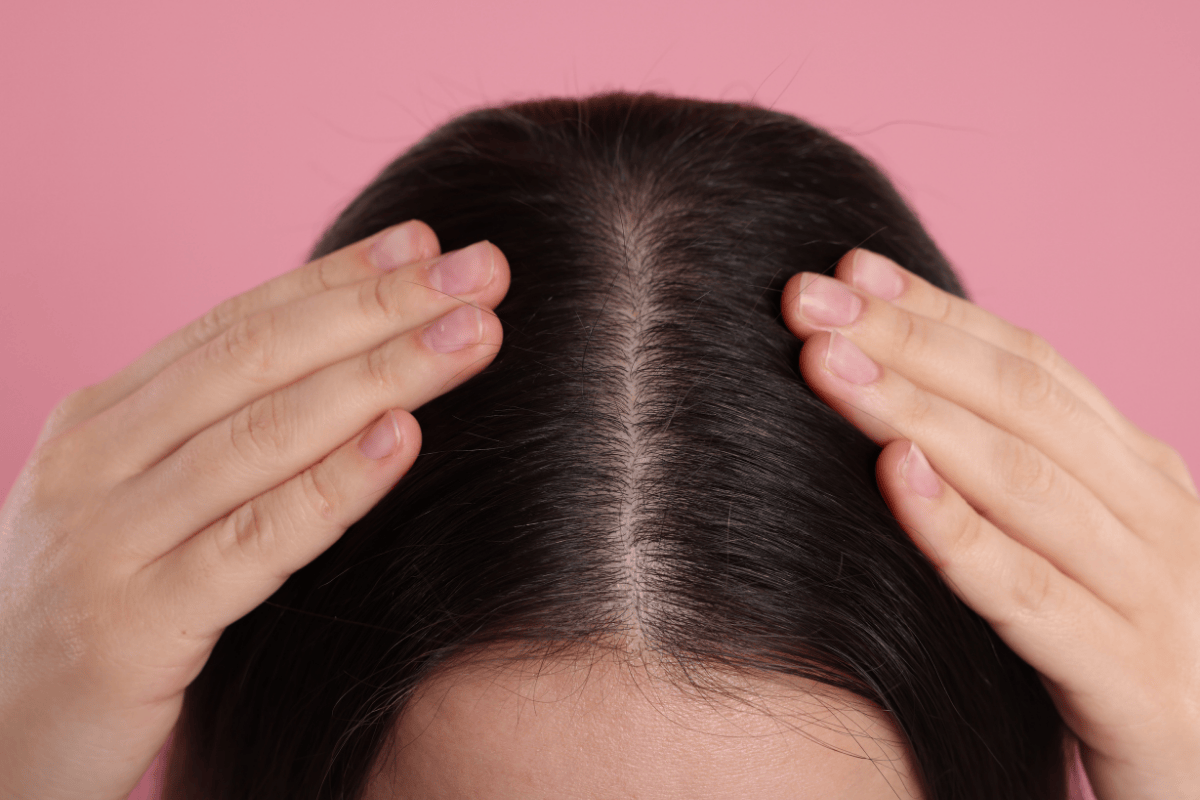
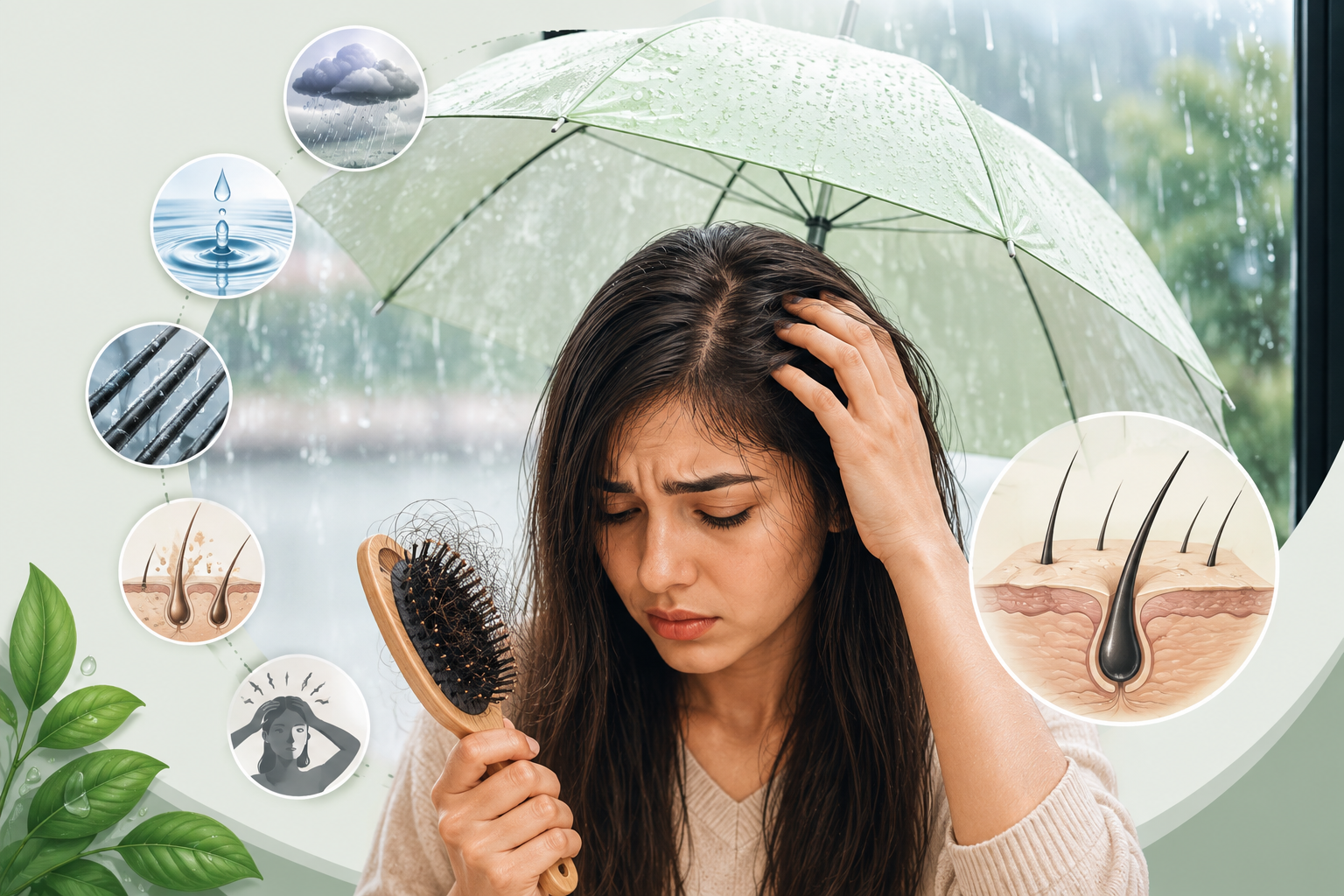
When we discuss hair problems, most people worldwide complain about hair thinning and hair loss. This makes these issues with the most desired treatments, whether it is with over-the-counter products or clinical treatments. But people keep looking for solutions for thin hair and hair loss.
Starting from home remedies to a market flooded with a range of products, people don’t really know what actually suits their problem and what will work. They keep on trying different solutions and avoid looking for professional treatments. The first thing they need to solve these issues is to understand the issue in the right way, and then find the right product for that issue. Only a professional can properly understand and diagnose. The products they suggest are available on the store, but they know what will work on what type of issue.
People normally expect overnight miracles, but it is not possible. In this article, we will talk about these issues, their causes, and the three most popular hair loss ingredients – minoxidil, peptides and rosemary oil. We will understand them, how and when to use them to deal with hair thinning and hair fall problems.
Table of Contents
What causes hair loss and why do ingredients matter?
Hair loss can come from many reasons such as genetics, hormonal changes, nutritional gaps, stress or even harsh styling habits. Since the triggers differ from person to person, a single solution often fails to give steady results. Understanding the science behind each ingredient becomes important before choosing any treatment.
Each ingredient works through its own pathway and supports the hair in a different way. Minoxidil helps by improving blood flow, peptides guide cells to support stronger strands and rosemary oil calms inflammation while offering gentle growth support. Knowing this helps match the right option to your specific concern instead of guessing.
- Hair loss patterns differ by gender, age, and health status
- The scalp environment affects how well actives penetrate and work
- Consistency and proper application often determine success more than the product itself
- Side effects vary widely—some are temporary, others need medical oversight
- Combining treatments without guidance can reduce efficacy or cause irritation
- Results take time—most proven ingredients need 3 to 6 months to show a visible change
- Not all formulations are equal—concentration and delivery system matter
Top 3 Ingredients frequently compared as better hair fall solutions
Minoxidil, peptides and rosemary oil are often viewed as the leading options for reducing hair fall and supporting fuller hair. Each one works differently, even though they all aim to strengthen roots and encourage better growth. The results can vary depending on your hair concerns and how consistently you use them.
In this section we will outline how these three are compared so you can decide which one suits you best.
1. Minoxidil – what it does and how it works
Minoxidil is one of the most researched hair-growth ingredients worldwide. It’s FDA-approved and used by millions for pattern hair loss.
How it works
Minoxidil boosts blood flow around the hair roots. This environment encourages weak follicles to re-enter the growth stage. It also extends the growing phase, helping hair stay longer and thicker over time.
Advantages
- Strong scientific backing
- Works for both men and women
- Good for genetic or age-related thinning
- Helps revive inactive follicles
Limitations
- Needs consistent use—stopping it can bring back old shedding patterns
- Can cause dryness or irritation in some people
- Takes around 3–6 months to show noticeable changes
Best suited for
People with pattern hair loss, hereditary thinning, or anyone needing a clinically proven method.
2. Peptides – the scientific strength boosters
Peptides are short chains of amino acids—the building blocks of protein. Since hair is mostly made of keratin (a protein), peptides help repair and support hair fibre and roots.
How they work
Peptides communicate with scalp cells and encourage them to produce stronger, healthier strands. Some peptides also support better circulation, helping follicles stay active.
Advantages
- Improve hair density and thickness
- Reduce breakage by strengthening strands
- Gentle on the scalp
- Can be paired easily with Minoxidil or natural oils
Limitations
- Not all peptides are equally effective
- Results vary depending on the formula quality
- Usually slower than Minoxidil for visible regrowth
Best suited for
People dealing with weak, thin, brittle hair from stress, styling damage, or nutritional gaps. Also great for those who want something mild yet effective.
3. Rosemary oil – the natural contender
Rosemary oil has been used in traditional hair care for years, but it entered the spotlight after modern studies found it performs similarly to Minoxidil in some cases.
How it works
It improves scalp circulation, reduces inflammation, and supports a cleaner scalp environment. These factors help roots stay active and healthy.
Advantages
- Natural, plant-based option
- Helps reduce dandruff and scalp flakiness
- Mild enough for regular use
- Offers anti-inflammatory and anti-bacterial benefits
Limitations
- Slower than Minoxidil
- Needs proper dilution to avoid irritation
- Works better for mild to moderate thinning, not advanced-stage hair loss
Best suited for
People who want a natural routine, have early-stage thinning, or want something soothing for the scalp.
Which one should you choose for the best results?
The right hair loss ingredient depends on your thinning stage, scalp needs, and how much routine you can commit to. Minoxidil works best for moderate to severe pattern hair loss but needs consistent use. Peptides suit early thinning or sensitive scalps, offering a mild yet supportive approach. Rosemary oil fits those who prefer a natural option with gradual benefits for early-stage concerns.
- Choose minoxidil if you have noticeable thinning or balding and can commit to daily, long-term use
- Choose peptides if you want a low-irritation option to strengthen follicles and support natural growth over time
- Choose rosemary oil if you prefer plant-based care, have mild thinning, or experience sensitivity to pharmaceuticals
- Combine treatments only under professional guidance—more isn’t always better
- Factor in your scalp health: inflamed or flaky scalps may react poorly to alcohol-based minoxidil
- Consider your timeline: minoxidil often shows results faster than peptides or oils
- Evaluate your consistency: natural oils require diligent, regular application to match clinical outcomes
- When in doubt, start with a dermatologist’s assessment—pattern and cause dictate the right path
Summing it up
Hair loss can feel confusing, but the right approach makes all the difference. Knowing how minoxidil peptides and rosemary oil work and how they fit your specific needs puts you in control of your hair health journey. Real results come from informed choices, consistent routines, and solutions matched to your scalp and goals.
Do not go through this alone. Reach out to our experts now for personalized advice on your hair concerns. Whether you are just noticing thinning or dealing with long-term loss, our team of experts in hair problems at My Derma Store is ready to help you find the most effective path forward.

Ilesh Khakhkhar
Author
Ilesh Khakhkhar is the Founder & Managing Director of UBIK Solutions Pvt. Ltd., a leading cosmeceutical company in India. Starting from humble beginnings in 2003 with Ethicare Remedies, Ilesh has expanded his influence across the dermatology industry with multiple ventures including Ethinext Pharma and My Derma Store.
YOU MAY ALSO LIKE



WRITE A COMMENT
Login
0 Comments
Oldest