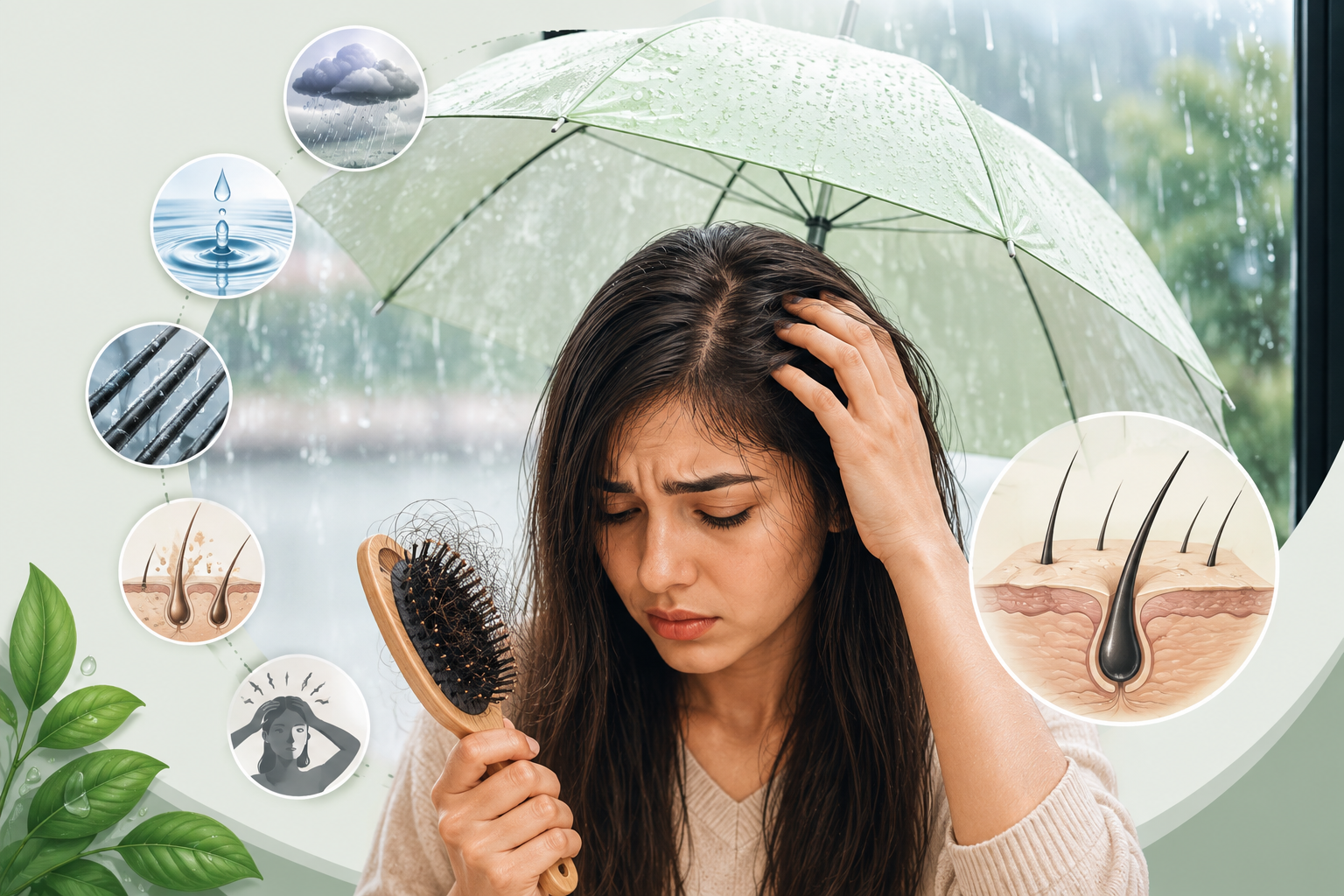
When we talk about looks and grooming, the most treated part is obviously the hair. And, heat styling gives you the look that you want, but do you realize how badly it impacts your hair health? It leaves your hair dry, brittle, and weak. Frequently giving high temperatures to your hair, harsh brushing of hair, and skipping the healthy care routine result in breakage over time. This problem is not only dealing with your hair’s appearance, but it also impacts more on your hair’s strength and deep health from root to tip.
It is true that you can’t avoid 100% damage. It is completely unavoidable. But if you are well aware and concerned about it, it can be prevented with some smart choices and care routines. It is very important that you really understand how your hair reacts when it is exposed to heat and what makes them weak. It allows you to make better hair care decisions and decide on a hair care routine for the long run. With the right combination of the best hair care products, habits, and hair styling practices, you can make sure that you are protecting your hair enough without compromising on any favourite tools and products, and routine.
This article takes you through the causes of breakage and heat damage and we will also focus on discussing the practical tips to keep your hair healthy and protected.
Table of Contents
Why does hair break and get damaged from heat?
Hair is primarily made of keratin, a protein formed by amino acid chains that give strength and elasticity. These chains are held together by hydrogen, salt, and disulfide bonds. Heat and rough handling can break these bonds, especially when moisture and protein levels are off balance.
Here are the most common culprits:
- High heat exposure: Using tools above 180°C (356°F) can cause denaturation of proteins and bubble hair (formation of air pockets inside the strand), making it more susceptible to snapping.
- Lack of moisture: Dry hair lacks flexibility and becomes brittle, leading to breakage with the slightest tension.
- Chemical treatments: Bleaching, relaxing, or coloring raises the cuticle layer, weakening the shaft and making hair more porous.
- Mechanical damage: Brushing aggressively or detangling without care can rip through knots, tearing strands apart.
- Environmental factors: UV rays, humidity, and pollution accelerate moisture loss and oxidative stress.
6 Preventive Hair Care Strategies
To reduce breakage and heat-induced damage, prevention needs to be both topical and internal. Building hair resilience begins with better choices in daily habits, product selection, and tool usage.
1. Use a heat protectant every time
Heat protectants form a barrier on the surface of your hair, reducing direct contact between your strands and the tool. These products often contain silicones like dimethicone or amodimethicone, which create thermal insulation and help retain moisture during styling.
Look for:
- Glycerin for hydration
- Hydrolysed proteins to reinforce strength
- Silicones to coat and smooth the cuticle
2. Keep heat tools under control
Not all hair types can tolerate the same level of heat. Finer hair burns faster, while coarser textures can handle slightly higher temperatures but still need protection.
Best practices:
- Set styling tools to below 180°C (356°F)
- Avoid daily heat styling
- Use ceramic or tourmaline plates for even heat distribution
- Let hair air dry 70–80% before using a blow dryer
3. Strengthen with protein treatments
Hair loses protein over time, especially when subjected to color and heat. Protein-rich masks can fill in the weak spots and fortify the structure.
Ideal frequency:
- Every 2–4 weeks for chemically treated or frequently styled hair
- Use hydrolysed keratin or wheat protein for better penetration
Be cautious: Overusing protein without balancing it with moisture can cause stiffness and more breakage.
4. Moisturise and seal regularly
Hydrated hair is flexible and less prone to snapping. After washing, apply a leave-in conditioner followed by a sealing oil like argan, jojoba, or grapeseed oil to lock in moisture.
Key tips:
- Use deep conditioners weekly
- Focus on mid-lengths and ends, where dryness peaks
- Avoid products with high alcohol content, which can be drying
5. Protect hair during sleep
Friction from cotton pillowcases can weaken hair strands over time. Combine that with any existing dryness or fragility, and breakage becomes inevitable.
Switch to:
- Silk or satin pillowcases
- Loose protective hairstyles at night (like braids or pineapple buns)
- Silk scarves or bonnets to reduce tangling and frizz
6. Trim split ends regularly
Split ends don’t repair themselves. Once the strand splits, the damage travels up the shaft, weakening more of the hair over time.
Maintenance:
- Trim every 8–12 weeks
- Focus on dusting (small trims) to retain length while removing damage
- Avoid “search and destroy” methods unless done carefully
Hair Care Products that actually help in Hair Breakage and Heat Damage
The products you choose can either strengthen your hair or slowly weaken it with every use. It’s not just about using a shampoo and conditioner it’s about using the right combination that suits your hair type, damage level, and styling habits.
Investing in targeted products makes a noticeable difference in how your hair responds to heat and stress.
1. Sulfate-free shampoos
Sulfates can strip the natural oils from your scalp and hair, leaving it dry and more prone to breakage. A gentle, sulfate-free formula cleans without over-drying, helping maintain moisture balance.
- Look for: Coco-glucoside, Sodium Lauroyl Methyl Isethionate
- Avoid: Sodium Lauryl Sulfate (SLS), Sodium Laureth Sulfate (SLES)
2. Protein-infused conditioners
These help fill in the gaps along the hair shaft caused by heat or chemical stress. Protein conditioners smooth the cuticle and restore strength without weighing the hair down.
- Key ingredients: Hydrolysed keratin, silk protein, collagen
- Use frequency: Once or twice a week, depending on hair condition
3. Leave-in conditioners
A leave-in conditioner works as a daily shield, offering moisture, slip for detangling, and light protection from styling tools or UV exposure.
- Best for: Dry, frizz-prone, or colour-treated hair
- Bonus: Look for formulas with UV filters and lightweight oils
4. Hair oils and serums
Oils nourish and seal, while serums often include silicones that coat the strand and protect it from heat tools. These should be used sparingly to avoid buildup but can dramatically improve manageability and shine.
- Ideal picks: Argan oil, jojoba oil, silicone-based serums (dimethicone)
- Application: Focus on mid-lengths and ends, especially before styling
5. Heat protectant sprays or creams
Non-negotiable if you’re using heat tools. These create a barrier that slows down heat transfer and prevents internal moisture from escaping too fast.
- Look for: Cyclopentasiloxane, phenyl trimethicone, quaternium compounds
- Use: On damp or dry hair before heat exposure
Nutrition and Internal Support for Healthy Hair
Hair health is just a surface-level issue is a myth. Your follicles need proper nutrition and hormonal balance to grow strong, damage-resistant hair.
Make sure you’re getting:
- Protein: Essential building block for keratin
- Iron and zinc: Support healthy follicle activity
- Biotin and B-complex vitamins: Improve hair growth and structure
- Omega-3 fatty acids: Nourish the scalp and promote shine
Final thoughts
Healthy hair doesn’t happen by luck it’s the result of daily choices, the right products, and knowing when to give your hair a break. Whether you’re addicted to your straightener or just trying to bounce back from years of damage, it’s never too late to start treating your hair with the care it deserves.
If you’re not sure what your hair really needs or feel overwhelmed by all the options out there, let our experts help. Chat with our hair care specialists today and get personalised advice tailored to your hair type, concerns, and styling habits. We’re here to help you keep your strands strong, smooth, and stress-free, one step at a time.

Ilesh Khakhkhar
Author
Ilesh Khakhkhar is the Founder & Managing Director of UBIK Solutions Pvt. Ltd., a leading cosmeceutical company in India. Starting from humble beginnings in 2003 with Ethicare Remedies, Ilesh has expanded his influence across the dermatology industry with multiple ventures including Ethinext Pharma and My Derma Store.
YOU MAY ALSO LIKE


WRITE A COMMENT
Login
0 Comments
Oldest