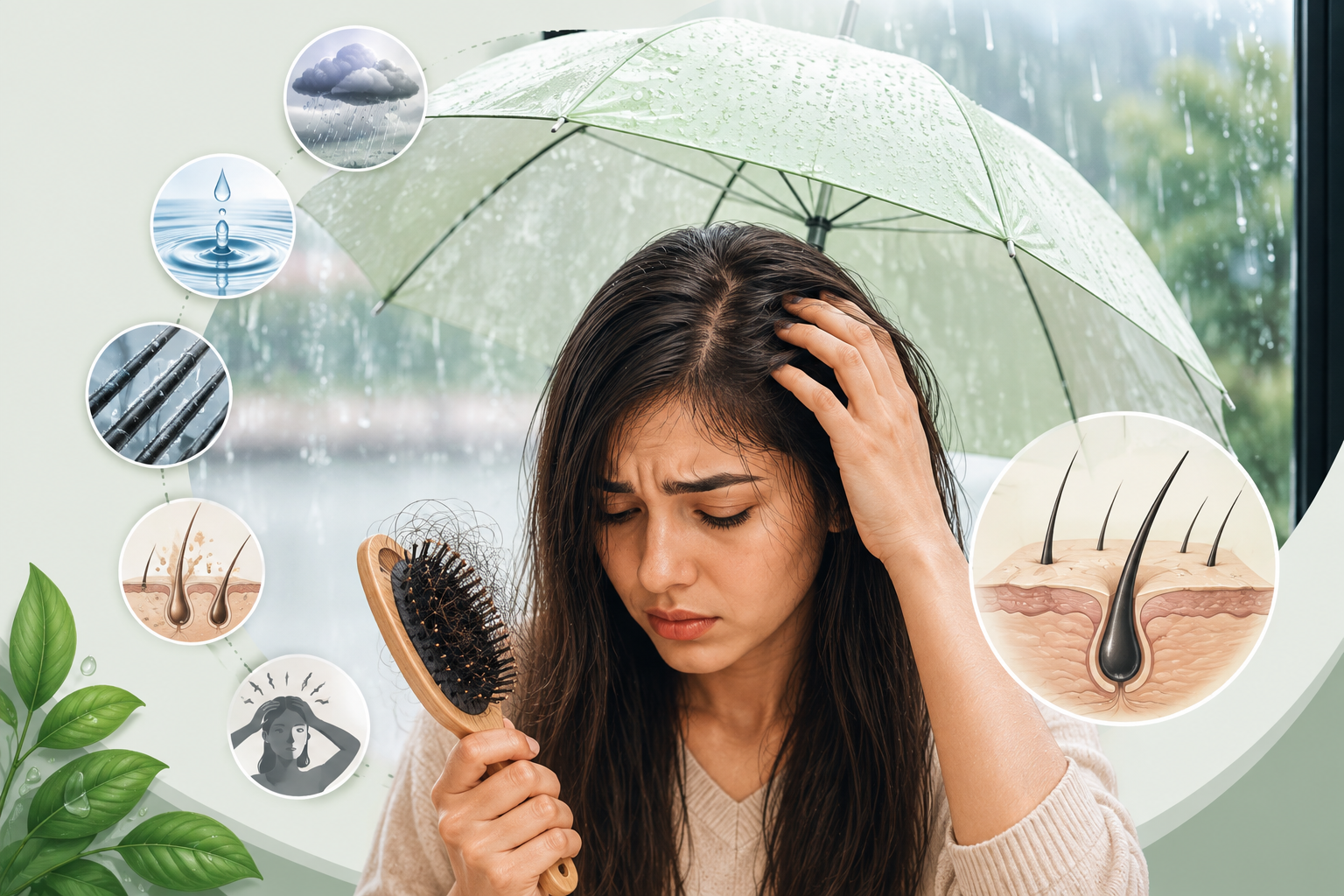
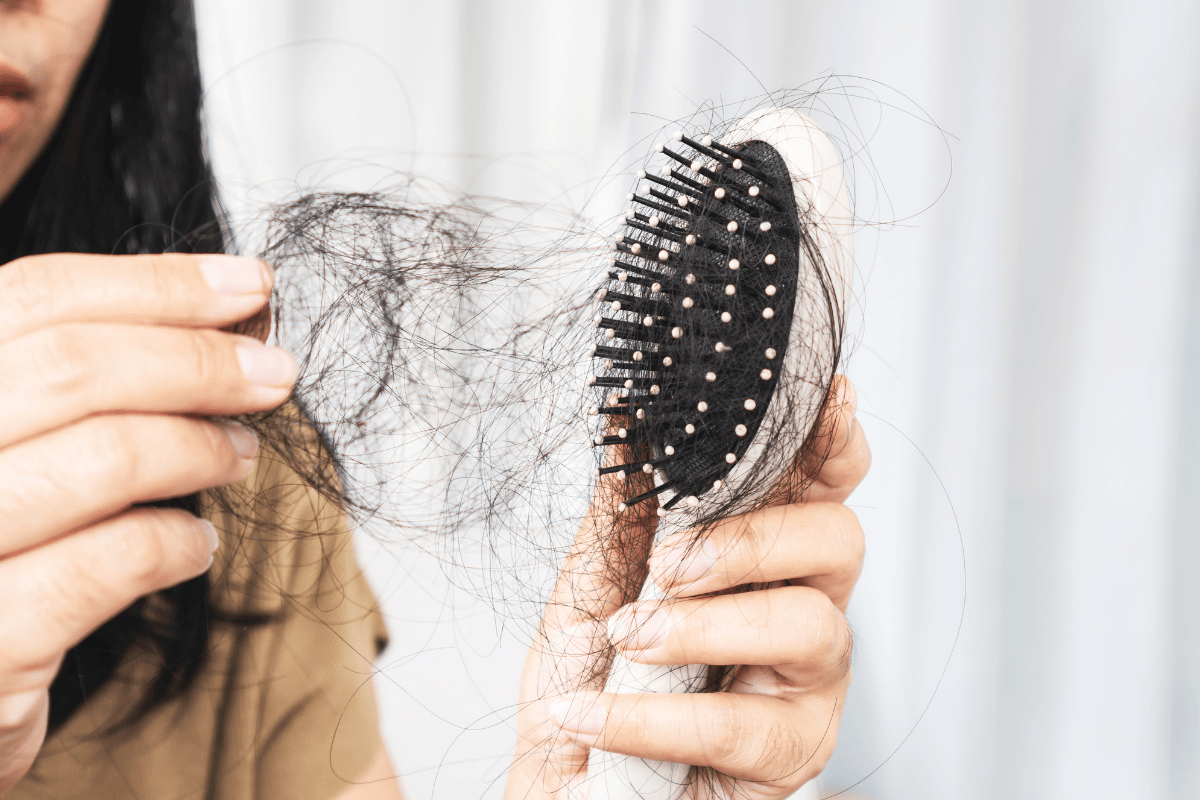
Monsoon is a season that is loved by everyone. But it comes with so many complaints. Everyone has their versions and problems. Most of them are observed about the hair care challenges they are facing during the monsoon season. This season comes with constant humidity and unwanted and unexpected downpours. Also, it results in a damp scalp in many cases, which can make your healthy hair frizzy and weak. This is the season when hair fall is increasing. Situations sometimes get unmanageable if left untreated or not managed properly.
But the good news is that all these seasonal challenges can be treated with some good knowledge of hair care, some expert advice, and a few relevant hair care solutions. The only thing is, you need to manage and maintain the right monsoon hair care routine, and you will be able to maintain clean, strong, and frizz-free hair throughout the monsoon. This is something that we brought today in this article. This will give you much more understanding and knowledge of monsoon hair challenges, their causes, and solutions.
Table of Contents
Why does the monsoon affect your hair so much?
During monsoons, the excessive moisture in the air weakens hair roots, increases scalp oiliness, and causes product buildup faster than usual. This makes hair more prone to breakage, frizz, and fungal infections.
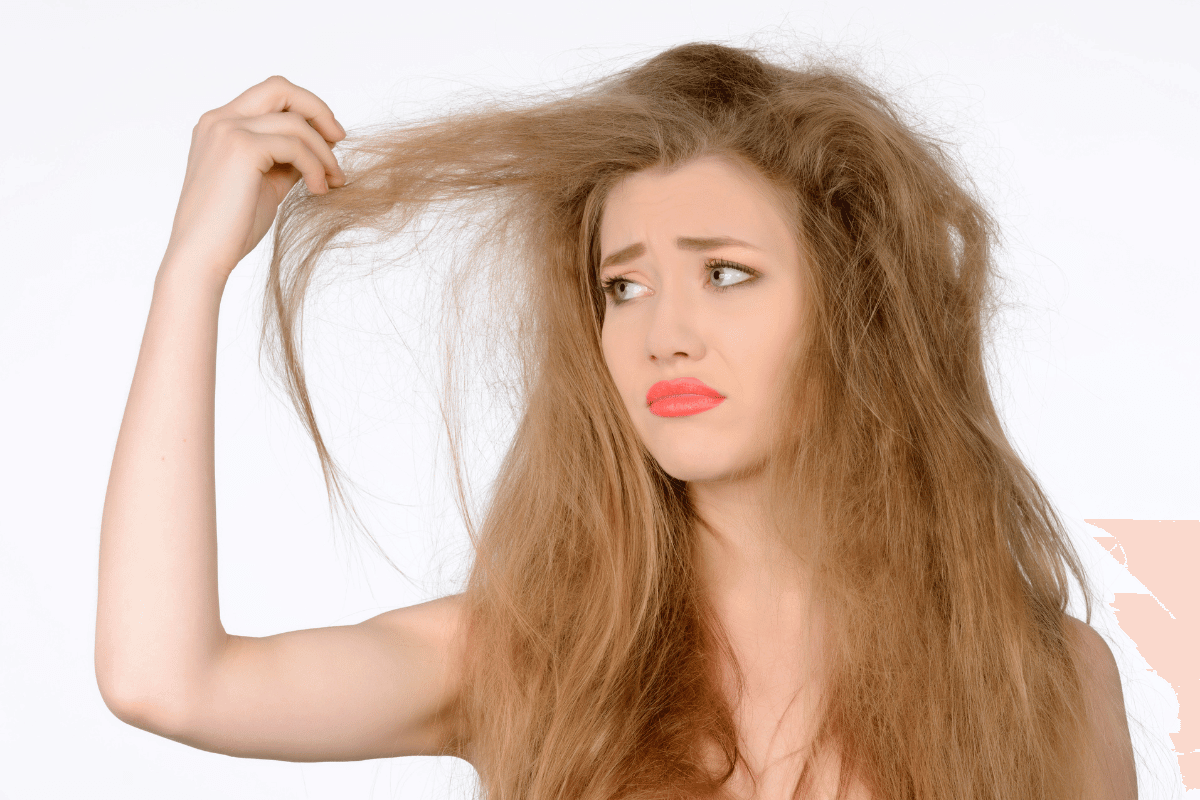
The high humidity level lifts the hair cuticle, which leads to moisture entering the shaft and swelling the strands. That’s what gives hair that untamed, ballooned-out look. Additionally, wet hair is weaker, so frequent exposure to rainwater and dampness leads to more hair strands falling out during combing or washing.
Monsoon hair care tips to fight frizz and reduce hair fall
Creating a monsoon-specific hair care routine doesn’t need to be complicated. It just needs to be consistent, with a focus on keeping your scalp clean and your strands protected from humidity. Here’s how you can do that:
1. Wash your hair more frequently, but gently
Monsoon makes your scalp sweat more, and the damp air invites dirt and pollutants to stick around. That buildup can clog follicles and lead to hair fall or infections.
- Use a mild, sulphate-free shampoo 2–3 times a week to cleanse your scalp without stripping natural oils.
- If your scalp tends to get oily every day, opt for a gentle daily cleanser or alternate with a co-wash method.
- Clarify once a week with a diluted apple cider vinegar rinse to remove residue.
- Always wash your hair immediately after getting drenched in the rain to avoid fungal infections.
2. Don’t skip conditioner—just use it the right way
A good conditioner helps lock in moisture and prevents frizz from taking over your hair. But using it wrong can cause more harm than good.
- Apply conditioner only from the mid-lengths to the ends—never near the scalp.
- Use conditioners that are hydrating but lightweight, especially if your hair tends to get greasy.
- Rinse with cold water to help seal the cuticle and lock in moisture.
- Once a week, treat your hair to a nourishing mask or deep-conditioning treatment.
- Try using a leave-in conditioner on damp hair when humidity levels are very high.
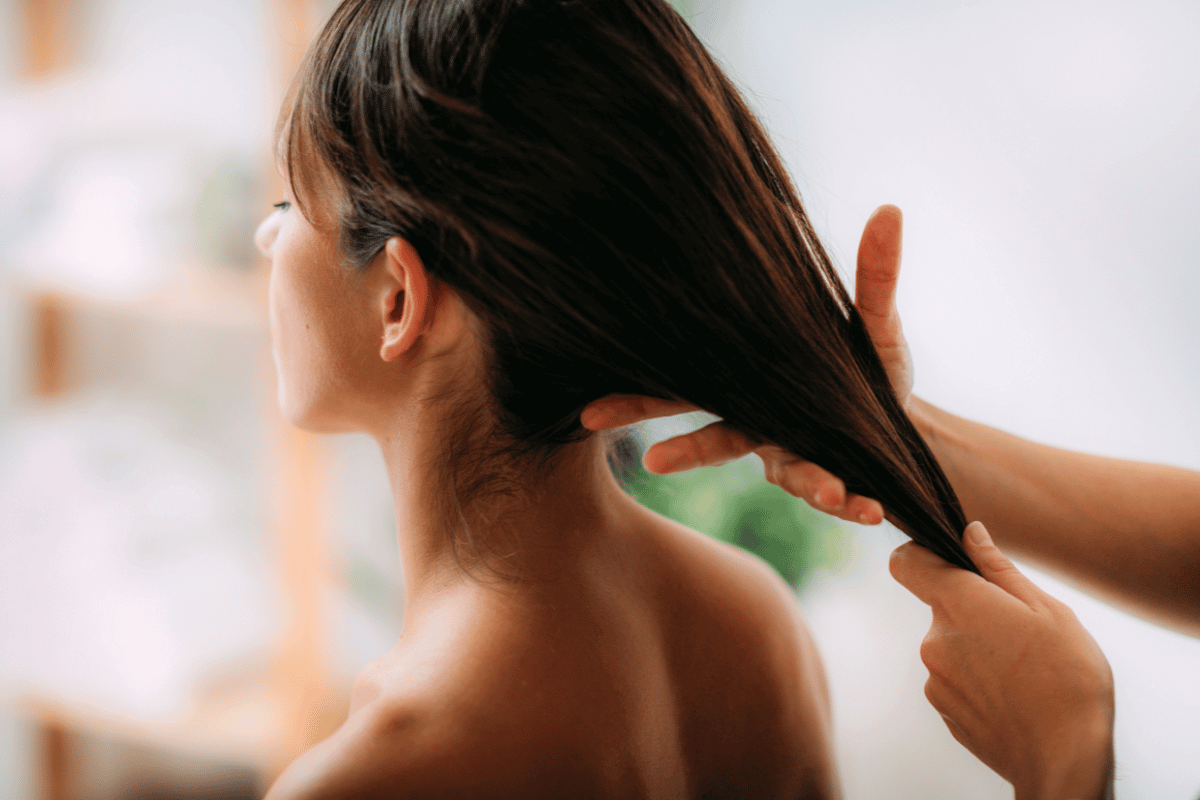
3. Oil your hair—but only before washing
Oil massages are great for scalp circulation and nourishment, but too much oil during humid weather can be counterproductive.
- Apply lightweight oils like coconut, almond, or argan oil before your hair wash—not after.
- Limit oiling to 1–2 hours before washing to avoid greasy buildup.
- Avoid overnight oiling, especially if you’re prone to dandruff or scalp acne.
- Warm the oil slightly for better absorption and massage gently into the scalp.
- Add a few drops of tea tree or rosemary essential oil to fight fungal growth.
- Always double shampoo if you’ve oiled your hair heavily.
4. Dry your hair properly and avoid tying it when wet
Tying up damp hair is one of the biggest mistakes people make during monsoon, leading to increased breakage and infection risks.
- Use a microfiber towel or soft cotton T-shirt to gently absorb excess water.
- Avoid rubbing the towel harshly as it roughens the cuticle and creates more frizz.
- Let your hair air-dry fully before tying it or going out.
- If necessary, use a blow dryer with a cool air setting and a diffuser attachment.
- Change pillow covers regularly to prevent bacterial transfer to your hair and scalp.
5. Use anti-frizz leave-ins or serums
Humidity causes hair cuticles to swell and puff up. That’s why a good leave-in product can act like a protective shield during the monsoon.
- Choose a silicone-based serum that offers humidity protection and smoothness.
- Apply it to towel-dried hair, focusing on the ends and mid-lengths.
- For curly or wavy textures, use curl creams or leave-in conditioners for better hold.
- Avoid heavy formulations that can weigh the hair down or make it sticky.
- Reapply small amounts during the day if your hair starts to puff up again.
- Look for ingredients like argan oil, keratin, or panthenol in your product.
Additional care and lifestyle tips
Besides external care, what you eat and how you treat your hair every day also play a huge part in controlling hair fall and frizz.
- Stay hydrated: Dehydration can make your hair dry and brittle from within.
- Eat hair-friendly foods: Include protein, omega-3 fatty acids, and iron-rich foods like eggs, spinach, nuts, and fish.
- Use a wide-tooth comb: It reduces breakage when detangling wet hair.
- Trim regularly: It helps get rid of split ends and maintains hair health.
- Avoid heat styling: Monsoon already weakens the strands flat irons and curlers only worsen it.
Final thoughts
Monsoon doesn’t have to mean a bad hair season. With a bit of consistency and mindful hair care, you can tackle both frizz and hair fall without overloading your routine. Listen to your scalp, stick to lightweight products, and don’t let rainwater sit in your hair for too long.
A few adjustments and your hair will stay strong, shiny, and manageable even when the clouds roll in. Want personalised advice for your hair type this monsoon? – Drop us your questions in the comments or reach out to our experts; we are here to help!

Ilesh Khakhkhar
Author
Ilesh Khakhkhar is the Founder & Managing Director of UBIK Solutions Pvt. Ltd., a leading cosmeceutical company in India. Starting from humble beginnings in 2003 with Ethicare Remedies, Ilesh has expanded his influence across the dermatology industry with multiple ventures including Ethinext Pharma and My Derma Store.
YOU MAY ALSO LIKE

WRITE A COMMENT
Login
0 Comments
Oldest