As normal people, we might be aware about pigmentation if we are concerned and aware about skincare. But, when it comes to some expert level issues like post-inflammatory hyperpigmentation, most of us have no clear idea about it.
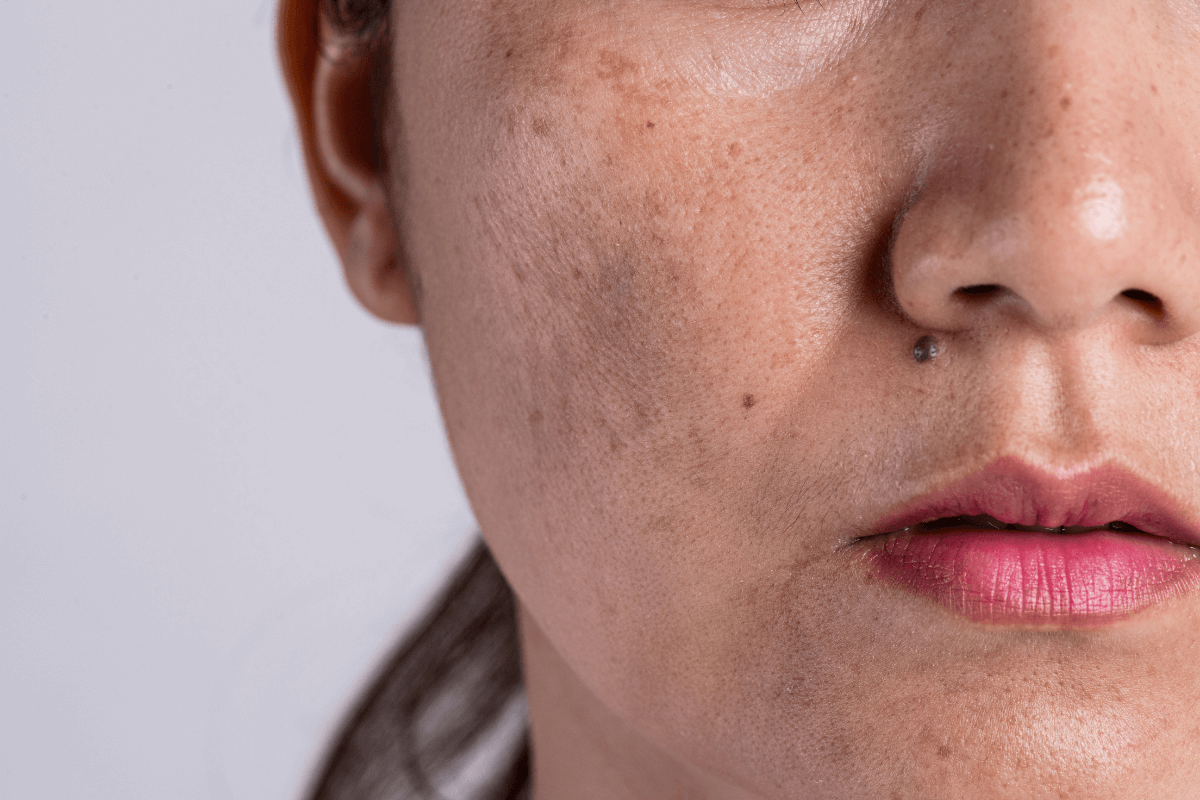
Post-inflammatory hyperpigmentation looks like flat areas of discoloration post skin inflammation or after healing of any injury. It normally follows the skin issues like acne, eczema, skin cuts or burns or sometimes any aggressive cosmetics procedures. It doesn’t change texture but the color of your skin with marks depending on your skin tone.
There could be many reasons for PIH. Normally people think and misconceptualize that this issue fades away with time naturally but it is not sure and even it can be time taking. But, dealing with pharma-grade serum can help to deal with it in a better way and in a faster manner. This is what we will understand in this article today.
Table of Contents
What is Post-Inflammatory Hyperpigmentation (PIH)?
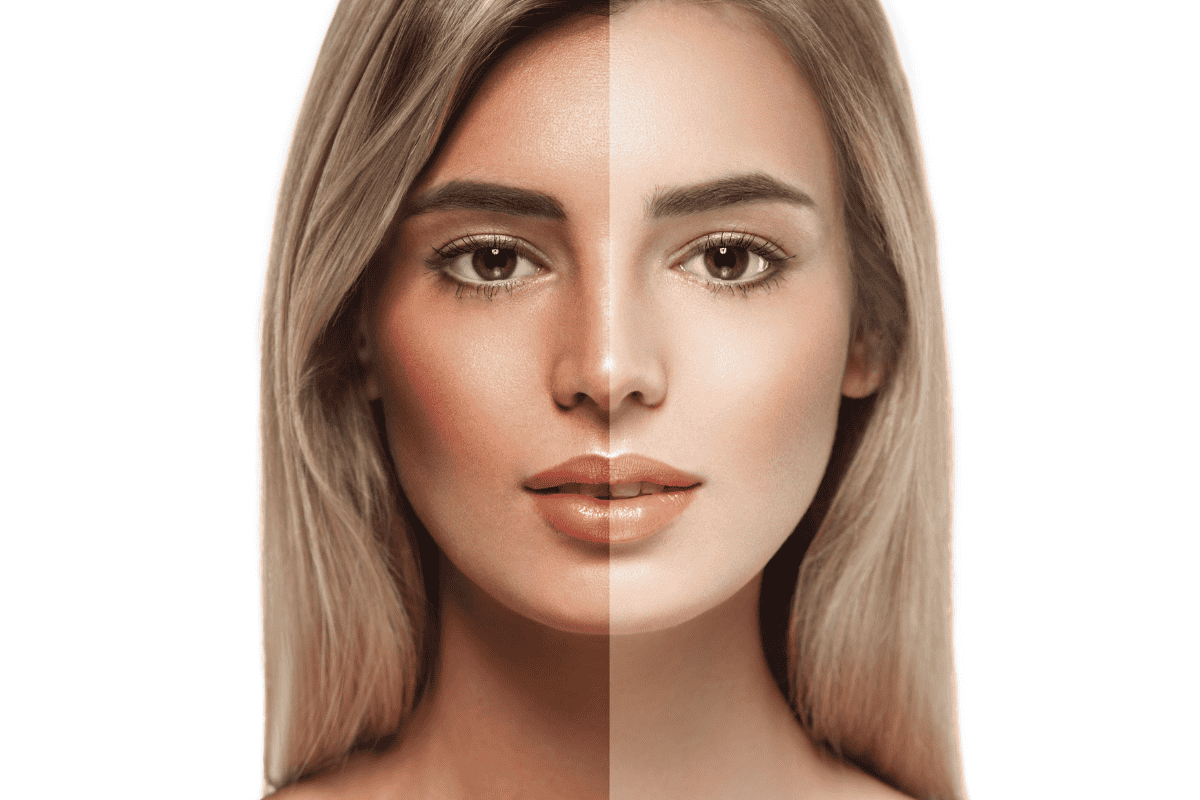
Post-inflammatory Hyperpigmentation is a kind of skin condition which has dark color patches forming on skin after an inflammatory condition or wound healing. Normally people misunderstand it with scar but it is a temporary overproduction of pigment in that specific affected area of your skin. This discoloration can be different based on your skin tone. It could be ranging from pink to red in lighter skin tones and in deeper skin tones, it could be dark brown or gray.
The root cause lies in the body’s natural healing response. When skin is injured or inflamed, signals are sent to melanocytes that sometimes result in too much melanin being deposited in the epidermis or dermis. This leads to uneven skin tone that persists long after the original issue has resolved.
So what we can say is PIH is excess pigment left behind after skin inflammation, not actual tissue damage.
How to Identify Post-Inflammatory Hyperpigmentation
PIH often gets mistaken for active acne, melasma, or sun spots, but it has distinct characteristics. It always appears in areas where there was a prior skin injury or breakout, and the spots are flat with no change in skin texture. The color may shift over time from red or purple to brown or gray depending on skin tone and depth of pigmentation. PIH follows the pattern of past damage, not sun exposure or hormones.
- Occurs only in areas previously affected by acne, rash, cut, or irritation
- Appears as flat, smooth patches with no raised or indented texture
- Color varies by skin tone—pink or red in fair skin, brown or gray in deeper tones
- Does not spread beyond the original injury site
- Fades slowly over weeks to months without new triggers
- Becomes darker with sun exposure but does not worsen with hormones like melasma
Key Ingredients That Actually Work on PIH
Pharma-grade serums use clinically proven actives that go beyond surface-level brightening. Each ingredient interrupts pigment formation in a specific way, which is why combining them under professional supervision yields the best results.
- Niacinamide reduces melanosome transfer from pigment cells to skin cells, which stops dark spots from spreading, commonly found in brightening serums labeled for tone correction
- Azelaic acid gently inhibits tyrosinase, the enzyme needed for melanin creation, and calms redness at the same time, available in gels or lightweight serums for sensitive or acne-prone skin
- Tranexamic acid blocks UV-triggered pigment pathways and works well for stubborn, recurring PIH. It is often included in targeted spot treatments or evening serums
- Kojic acid chelates copper in tyrosinase, slowing down excess pigment without exfoliating the skin which is typically formulated in stable blends to prevent oxidation
- Vitamin C (L-ascorbic acid) neutralizes free radicals that worsen pigmentation and brightens existing spots, look for air-tight, opaque packaging to ensure potency
- Alpha arbutin offers a stable, slow-release form of hydroquinone-like action without the irritation risk—frequently used in gentle daily serums for all skin types
- Licorice root extract contains glabridin, which soothes inflammation and reduces melanin synthesis that is often paired with other brighteners in calming formulations
- Retinoids (low-dose prescription forms) speed up cell turnover so pigmented cells shed faster and new skin appears sooner. It can be available in medical-grade night serums under professional guidance
What is Pharma-Grade Serum and How Does it Work on PIH?
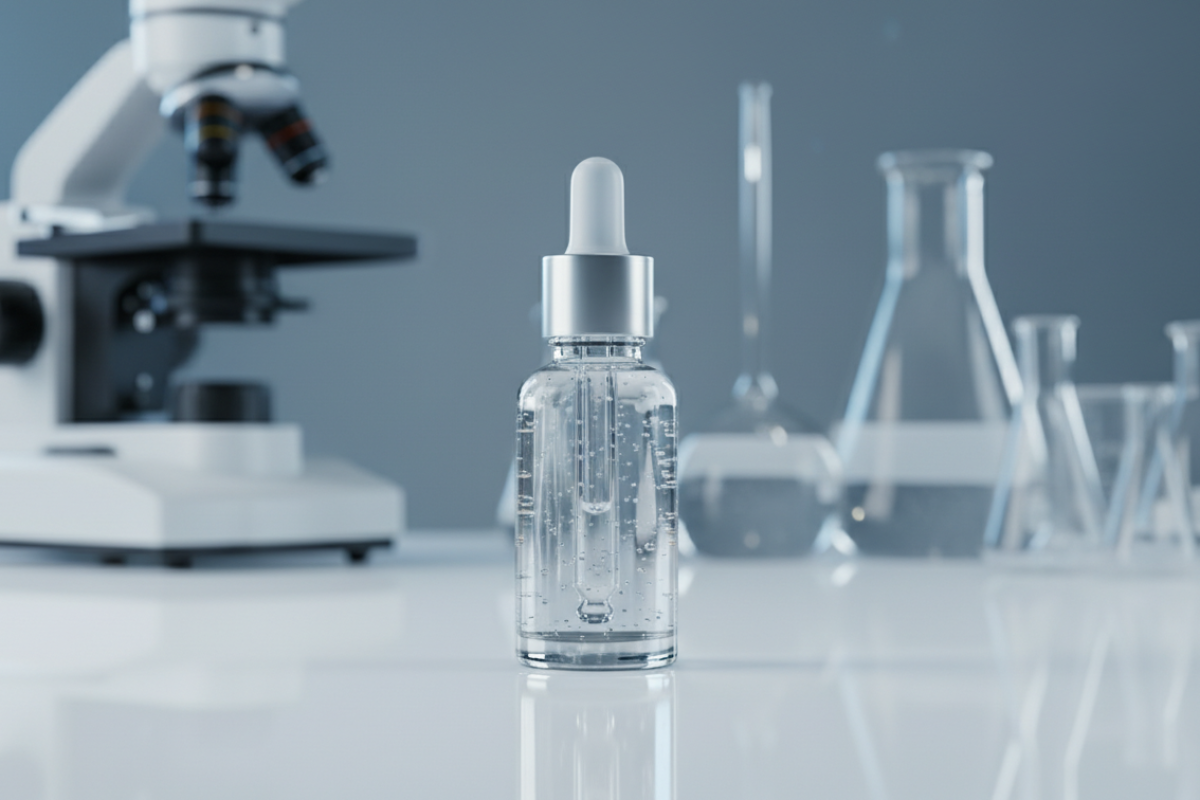
Pharma-grade serums are medical-strength skincare formulations developed under strict quality control standards, often used in clinical or dermatology settings. This doesn’t work like typical over-the-counter products. They contain higher concentrations of active ingredients that are stabilized for maximum efficacy and absorption. These serums undergo clinical testing to ensure safety, purity, and visible results on specific skin concerns like post-inflammatory hyperpigmentation.
These serums work by targeting melanin production at multiple stages. They slow down the activity of tyrosinase, block pigment transfer between cells, calm inflammation that can trigger new PIH, and support faster turnover of pigmented skin cells. Because they are formulated without unnecessary fillers or irritants, pharma-grade serums deliver consistent results with lower risk of side effects when used as directed.
Effective Steps to Use Pharma-Grade Serums for PIH
Using strong serums without a plan can backfire—especially on skin already prone to irritation. A structured routine prevents new PIH while fading old marks.
- Start with clean, dry skin to ensure full absorption and avoid dilution from leftover products
- Apply serums at night if they contain vitamin C or retinoids to prevent sun sensitivity issues
- Always follow with a non-comedogenic moisturizer to support the skin barrier and reduce dryness
- Wear broad-spectrum SPF 30 or higher every morning, even indoors, since UV exposure reactivates pigment cells
- Patch test new serums behind the ear or on the jawline for three nights before full-face use
- Limit initial use to every other night for the first week to check for redness or stinging
- Avoid layering multiple pigment-targeting actives unless directed by a dermatologist to prevent over-exfoliation
- Track progress with weekly photos under consistent lighting to stay motivated and adjust treatment if needed
Summing it up
Fading post-inflammatory hyperpigmentation requires more than surface-level brighteners. It demands medical-strength ingredients that work deep within the skin to regulate melanin production. Pharma-grade serums, used correctly and paired with daily sun protection, offer a proven path to visibly even tone without triggering new irritation.
For a treatment plan that is tailored to your skin type and pigment pattern, consult Our Experts at My Derma Care. Their guidance ensures you get the right products, the right way, for real results.

Ilesh Khakhkhar
Author
Ilesh Khakhkhar is the Founder & Managing Director of UBIK Solutions Pvt. Ltd., a leading cosmeceutical company in India. Starting from humble beginnings in 2003 with Ethicare Remedies, Ilesh has expanded his influence across the dermatology industry with multiple ventures including Ethinext Pharma and My Derma Store.
YOU MAY ALSO LIKE


WRITE A COMMENT
Login
0 Comments
Oldest