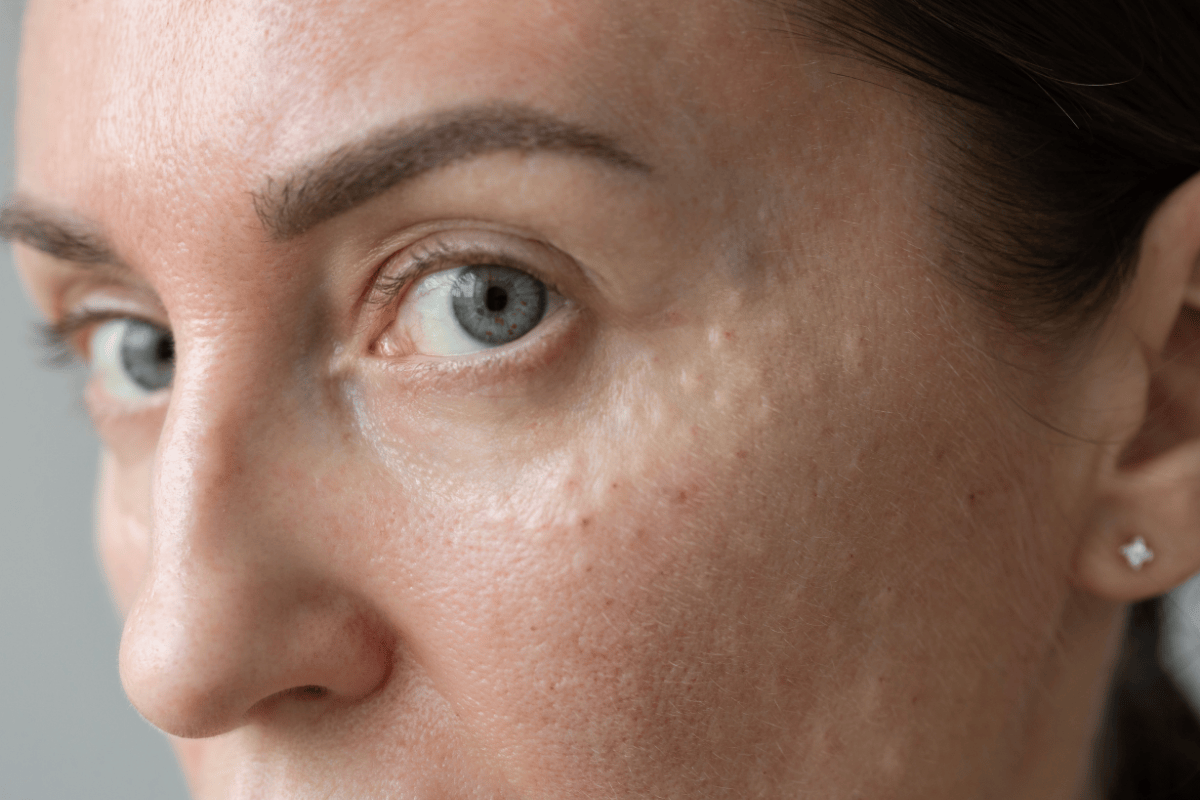
Growing age comes with its own set of problems. Some of them are common issues and one of them is age spots. They show up on your face as small but flat and brown or gray patches that might also come on your hands and shoulders too.
Such age spots at a first look may give you a feeling of something is happening to your skin and you might get worried. But, that is quite a common symptom with age. These age spots are not painful nor are they dangerous. They just need your attention towards your skincare routine and deliberate care to get rid of it.
Many of us will start an immediate action with OTC creams or some home remedies like lemon juice and the list goes on. But, believe me, without knowing what is happening to your skin, nothing is going to work. On the other hand, some of the people make them even worse and darker than earlier. But, there is nothing to panic about.
Age spots are completely normal and treatable, but with the right knowledge and the right method and of course professional guidance. You must understand your skin type, why your skin got dark spots and how the remedies work on it. That is what we are discussing here in detail.
Table of Contents
What causes the age spots?
As the name suggests, age spots are coming up with getting older, but that’s not the only reason and sometimes can be seen without getting older. The major cause of having it is the sun exposure your skin is getting over time.
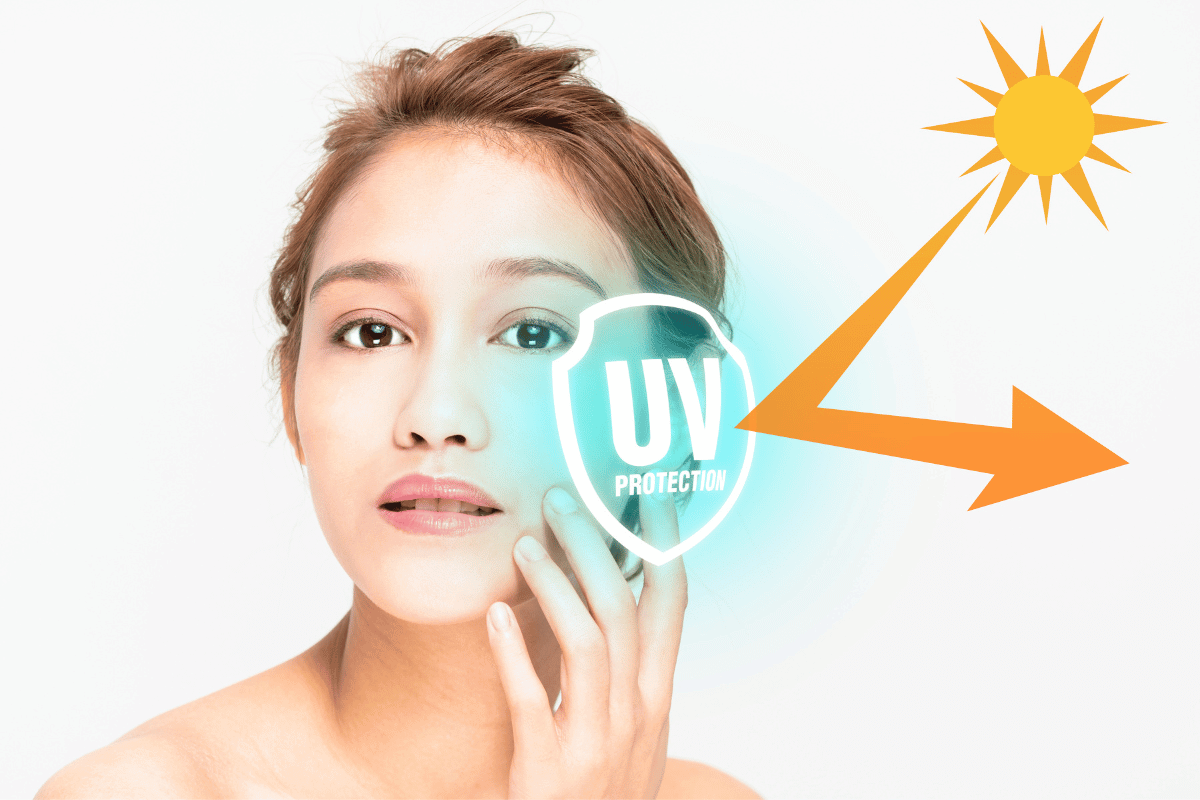
UV rays that our skin continuously deals with, trigger skin cells to produce more melanin and the pigments that give the skin tone. In some of the areas, these pigments clump together and that is what builds up the brown patches.
Commonly these spots are more noticeable in people over the age of 40, but don’t be in any doubt. It can appear in early 30s or sometimes in early 20s too, if you had a lot of sun exposure without proper skincare.
These age spots are also known as some of the other popular names like liver spots, solar lentigines, sun spots etc. But, don’t confuse it with moles or melasma or any type of skin cancer. The only thing you need to do is, don’t take any such spots lightly. Even if it is a normal age spot, get it checked and get the right guidance from the dermatologist. With the timely professional guidance you can avoid any serious and long term trouble that might come due to ignorance.
What doesn’t work on age spots?
As such post starts showing up, many people try following remedies at home, but they rarely help:
- Lemon juice: It is highly acidic. It can burn the skin and make spots darker when exposed to sun.
- Baking soda scrubs: It is too harsh. They damage the skin barrier and increase irritation.
- Apple cider vinegar: Still it is an unproven idea on age spots. It may cause redness, peeling, and even chemical burns.
- Natural spot removers: Most of them contain no active ingredients strong enough to fade pigment.
- Over-the-counter brightening creams with low-strength ingredients: They are often too weak to make a real difference.
What is the biggest mistake people frequently make? – Using these and then going outside without sunscreen. That makes age spots worse, not better.
What actually works on age spots?
Now as we know that the home remedies are not proven and sometimes not even safe. Let us understand some safe and proven options. There are two main ways to fade or remove age spots:
Topical treatments and In clinic procedures done by a professional dermatologist
At home topical treatments for age spots
Some ingredients can fade age spots over time, if they’re strong enough and used correctly.
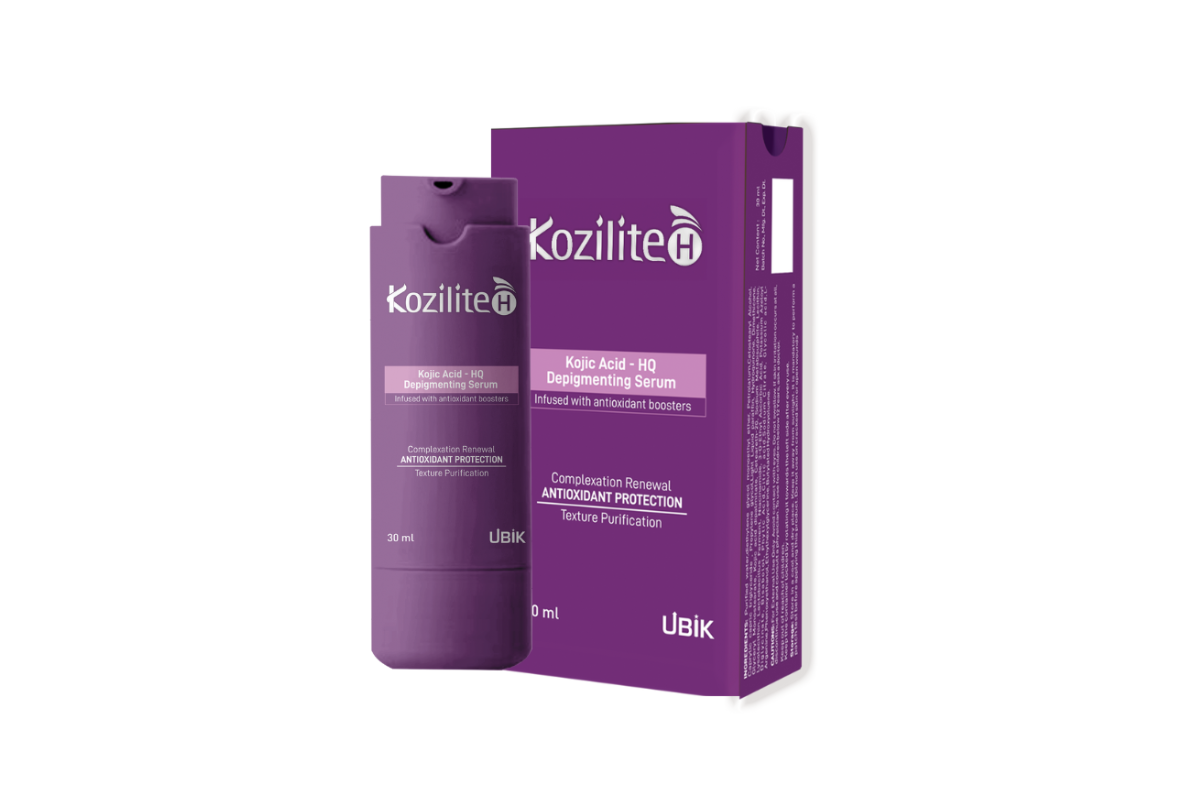
Hydroquinone (2–4%)
- This is the gold standard for lightening dark spots.
- It blocks the pigment-making process in skin cells.
- Available by prescription (4%) or over-the-counter (2%).
- Use it only for 3–6 months at a time. Longer use can cause side effects.
Retinoids (like tretinoin or adapalene)
- These increase cell turnover.
- Old, pigmented cells shed faster.
- New, even-toned skin comes up.
- Start with a low strength (0.025% tretinoin or 0.1% adapalene).
- Use at night only. Always wear sunscreen during the day.
Vitamin C (L-ascorbic acid)
- A gentle antioxidant that brightens skin and blocks new pigment.
- Works best at 10–20% strength.
- Stable formulas (in dark bottles) work better than cheap serums.
Azelaic acid (10–20%)
- Calms inflammation and gently fades spots.
- Good for sensitive or darker skin tones.
- Less irritating than hydroquinone.
Kojic acid, niacinamide, licorice root extract
- These are mild brighteners.
- They help a little — but won’t remove deep spots on their own.
- Best used alongside stronger treatments.
Important things to know and take care with these topical treatments
- Always use SPF 30 or higher every morning — even if it’s cloudy.
- Apply treatment only to the spot, not your whole face — unless directed.
- Give it 8–12 weeks to see results.
- Stop if your skin gets red, itchy, or peeling badly.
- All the topical treatments produce no results even after 3 to 4 months, don’t wait and ask for professional help.
In clinic treatments for age spots
If spots are dark, large, or don’t fade after topical treatment, it is a sign that you need professional help that works faster and better. Here are some of the professional in clinic treatments that are effective and produce long term results.
Cryotherapy
- A doctor freezes the spot with liquid nitrogen.
- The dark skin peels off in 1–2 weeks.
- Best for 1 or 2 small spots.
- May cause lightening in darker skin tones.
Laser therapy
- Lasers like Q-switched or IPL (intense pulsed light) target pigment without harming surrounding skin.
- 1–3 sessions are usually needed.
- Works well for most skin types, but settings must be adjusted for darker tones to avoid scars.
Chemical peels
- Medium-depth peels (like glycolic or trichloroacetic acid) remove the top layers of skin.
- New skin grows back smoother and lighter.
- Requires 1–3 sessions.
- Must be done by someone trained — especially on brown or Black skin.
Microdermabrasion
- Gentle surface exfoliation.
- Helps with very light spots — but not deep ones.
- Often used as a boost alongside creams.
These treatments are safe when done by a board-certified dermatologist. They are not the same as salon “light therapy” or at-home laser pens — which rarely work and can burn skin.
How to prevent new age spots?
Even after spots fade, new ones can form if sun protection is skipped.
Do this every day:
- Apply broad-spectrum SPF 30+ to your face, neck, and hands
- Reapply every 2 hours if you’re outside
- Wear a wide-brimmed hat when in sun
- Avoid peak sun hours (10 a.m. to 4 p.m.) when possible
- Sunscreen isn’t optional.
- It’s the most important step — even more than creams or lasers.
Final thoughts
Age spots are harmless, but they don’t have to be permanent. Mild ones fade with the right creams and daily sunscreen. But, the stubborn ones respond well to professional treatments.
At My Derma Store, our professionally trained and experienced dermatologists specialize in pigment concerns, including age spots, melasma, and post-acne marks. If you are dealing with any such problem don’t hesitate to talk to our skincare specialists. Book a consultation today and get a clear plan to fade age spots on your face safely.

Ilesh Khakhkhar
Author
Ilesh Khakhkhar is the Founder & Managing Director of UBIK Solutions Pvt. Ltd., a leading cosmeceutical company in India. Starting from humble beginnings in 2003 with Ethicare Remedies, Ilesh has expanded his influence across the dermatology industry with multiple ventures including Ethinext Pharma and My Derma Store.
YOU MAY ALSO LIKE
WRITE A COMMENT
Login
0 Comments
Oldest