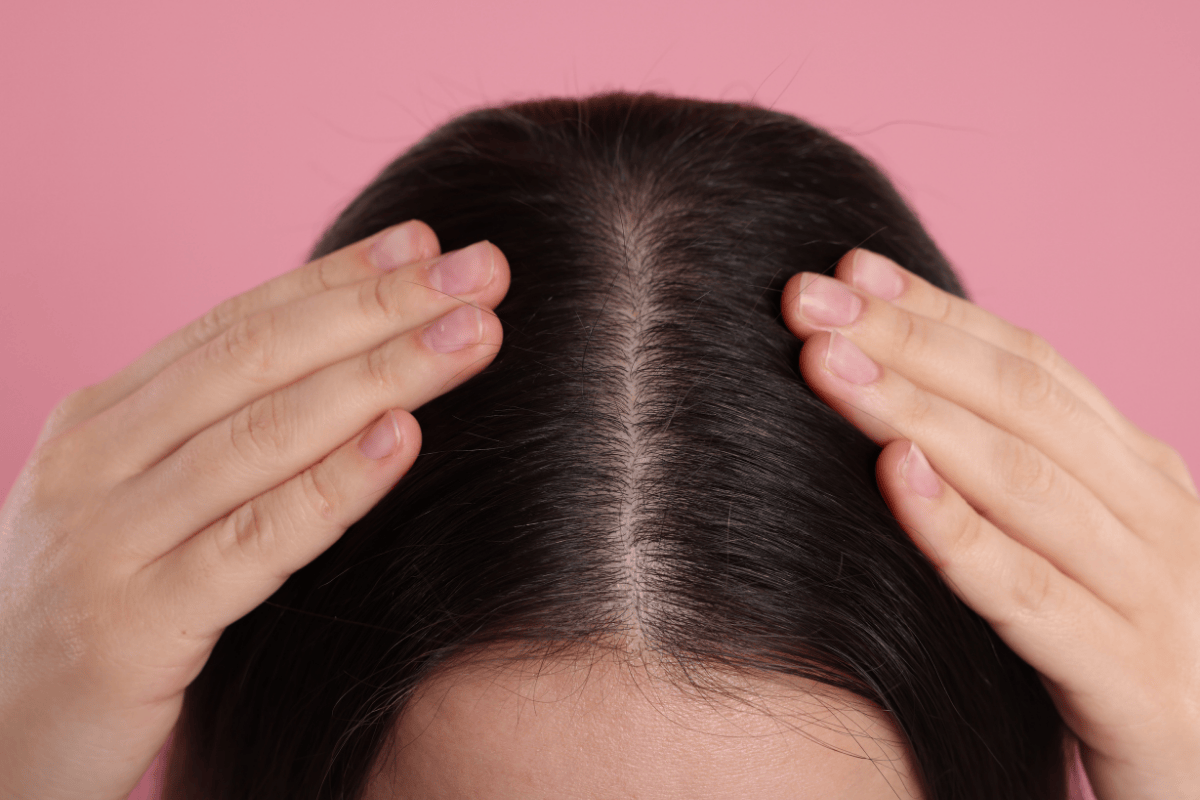
Everyone wants healthy hair, whether male or female, young or older. Let it be anyone, whoever looks in the mirror, the first thing they check is their hair, and they want it to be healthy. When we think about hair health, normally we think about hair oils, shampoos, and conditioners, and above that, we think about getting some expensive and intensive hair treatments. But what we fail to consider and care about is our scalp. The scalp is the real starting point of hair strands. It is a living skin that gives life and nutrition to hair, just like a fertile soil gives to a crop.
Our scalp consists of thousands of small openings known as hair follicles, which produce hair strands. A clean, well-nourished, and healthy scalp with follicles gives the right place and environment for the hair to grow naturally. But the unhealthy scalp causes problems. It reduces hair growth and makes it weak, resulting in hair fall conditions.
In this article, we will understand why a healthy scalp is necessary for hair growth and how you can keep your scalp healthy.
Table of Contents
How does the scalp control hair growth?
The scalp covers your head with a layer of skin that is slightly different from the skin on the rest of your body. It is rich in blood vessels, sebaceous (oil) glands, and hair follicles. These follicles go through a natural cycle:
- Anagen phase (growth phase) – lasts for years, during which hair grows actively.
- Catagen phase (transition phase) – a short stage where growth slows.
- Telogen phase (resting phase) – the follicle rests before shedding hair and restarting growth.
A healthy scalp helps most follicles stay in the anagen phase for a long time. It ensures good blood flow, which carries oxygen and nutrients to the follicles. It also keeps the oil and moisture balance right so that hair can grow with a smooth cuticle and strong inner structure.
If the scalp is inflamed, infected, or clogged with dirt and excess oil, the blood supply and nutrient delivery are affected. This can push hair prematurely into the resting or shedding phase, leading to thinning and slow regrowth.
Common scalp problems that slow down hair growth
A healthy scalp works like a well-prepared base for hair to grow strong and thick. But when certain scalp problems appear, they can disturb the natural growth process and weaken the roots. Some issues cause inflammation, while others block the follicles or damage the scalp’s surface, making it harder for hair to grow normally.
These conditions can affect anyone, and ignoring them often leads to more hair fall, slower regrowth, and reduced hair quality. Knowing the most common problems helps in spotting them early and taking the right steps to protect your scalp and hair.
- Dandruff and fungal infections – Caused by overgrowth of Malassezia yeast, leading to itching, flakes, and inflammation.
- Psoriasis or eczema – Skin disorders that trigger scaling, redness, and irritation, which can harm follicles.
- Buildup of dirt and oil – Blocks follicle openings and prevents nutrients from reaching hair roots.
- Sun damage – Direct UV exposure dries out the scalp and speeds up skin aging, affecting follicle health.
5 Simple ways to keep your scalp healthy
Your scalp is constantly exposed to sweat, styling products, changing weather, and everyday pollution. Over time, these factors can disturb its natural balance, making it less friendly for hair growth. A good scalp care routine is not just about washing—it’s about keeping the skin on your head clean, nourished, and protected so it can support healthy hair for years to come. With a few mindful habits, you can maintain a scalp that feels fresh, functions well, and allows hair to grow at its best.
Wash regularly with the right shampoo.
Using a shampoo that suits your scalp type is essential. For oily scalps, choose a gentle cleansing formula that removes excess oil without stripping natural moisture. For dry scalps, go for hydrating shampoos with mild surfactants. If dandruff is an issue, shampoos containing zinc pyrithione, ketoconazole, or selenium sulfide can help control fungal growth.
Massage your scalp daily.
A gentle 5–10 minute massage increases microcirculation in the scalp. Better blood flow means more oxygen and nutrients reach the follicles, boosting their activity.
Protect from sun damage.
If you are outdoors for long hours, wear a cap or apply a scalp-safe sunscreen spray. This prevents UV damage and keeps the scalp from drying out.
Eat a nutrient-rich diet.
Your hair health reflects what you eat. Include foods rich in proteins (eggs, fish, pulses), healthy fats (nuts, seeds), and vitamins (leafy greens, carrots, citrus fruits). Minerals like zinc, iron, and selenium are also crucial for follicle strength.
Avoid harsh habits
Using very hot water, scratching the scalp, or using harsh chemical treatments frequently can irritate the skin and damage follicles. Stick to gentle care and avoid unnecessary stress on the scalp.
Can scalp care improve hair growth?
Yes, improving scalp health can have a direct and visible effect on hair growth. Clinical studies show that scalp treatments and proper cleansing can improve follicle activity, reduce hair fall, and improve hair thickness over time.
For example, regular use of shampoos with zinc pyrithione not only controls dandruff but also reduces oxidative stress in the scalp. This helps hair stay longer in the growth phase and prevents early shedding.
While genetics and hormones also influence hair growth, creating a healthy scalp environment gives your hair the best possible chance to grow thicker and stronger.
Final note
Healthy, strong, and beautiful hair always begins with a well-cared-for scalp. Treat it as the foundation—when it’s clean, nourished, and protected, your hair naturally has the support it needs to grow thicker and healthier. The changes may not happen overnight, but with consistent care, you’ll start noticing the difference in how your hair looks and feels.
If you’re dealing with persistent scalp issues, excessive hair fall, or slow regrowth, don’t wait for things to get worse. Our Hair Care Experts can help you understand your scalp’s unique needs and guide you with the right treatments and products.
Book your consultation today and take the first step toward stronger, healthier hair from the roots up.

Ilesh Khakhkhar
Author
Ilesh Khakhkhar is the Founder & Managing Director of UBIK Solutions Pvt. Ltd., a leading cosmeceutical company in India. Starting from humble beginnings in 2003 with Ethicare Remedies, Ilesh has expanded his influence across the dermatology industry with multiple ventures including Ethinext Pharma and My Derma Store.
YOU MAY ALSO LIKE

WRITE A COMMENT
Login
0 Comments
Oldest