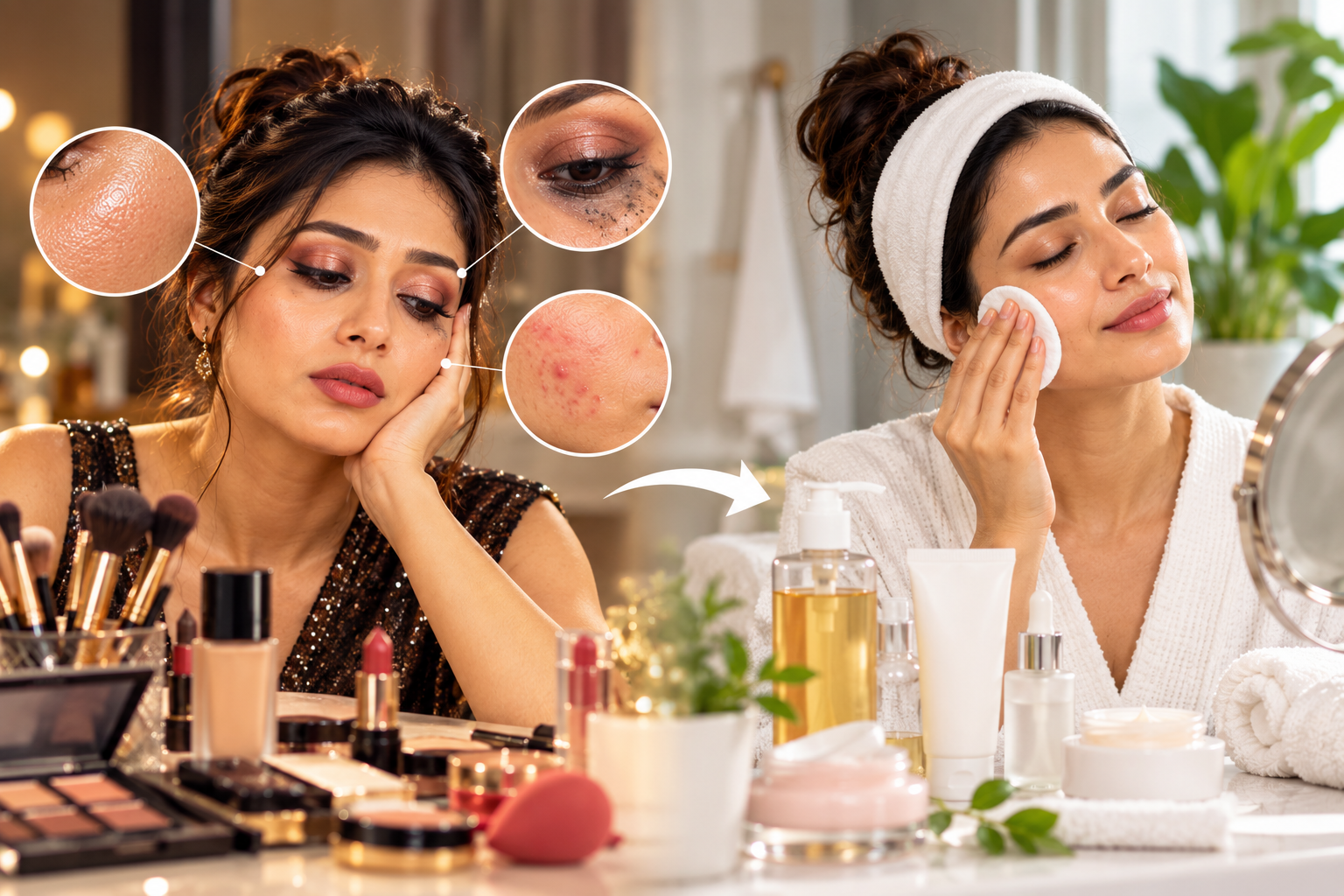
After a hot summer, all of us wait for the refreshing monsoon season. It gives a breath of relief to all of us. But as we know, every season comes with its own challenges for our skin and body. People with oily skin deal with a different kind of struggle of their own during monsoon. The presence of extra humidity in the air results in sticky skin, excessive oil, clogged pores, and unwanted breakouts. It is challenging enough to control and balance excessive oil production, along with managing your skin to stay clean and keeping it hydrated and free from acne.
The struggle of people with oily skin in comparison to dry or normal skin is more difficult. They need to be more cautious and consistent with their daily skin care routine. They also need to make relevant changes to it as per the season’s growth and the kind of problems they are facing. The rigid skin care routine can also be ineffective in such times. This struggle is just not washing or cleaning your face more often and keeping it dry. It is about finding the correct set of products and a more effective skincare routine during these monsoon days. It should be a more careful and disciplined routine. In this article, we will discuss these challenges and routines to follow during the monsoon.
Table of Contents
Why does the monsoon make oily skin worse?
When the air gets filled with moisture, your skin starts reacting. And if you already have oily skin, the problems multiply.
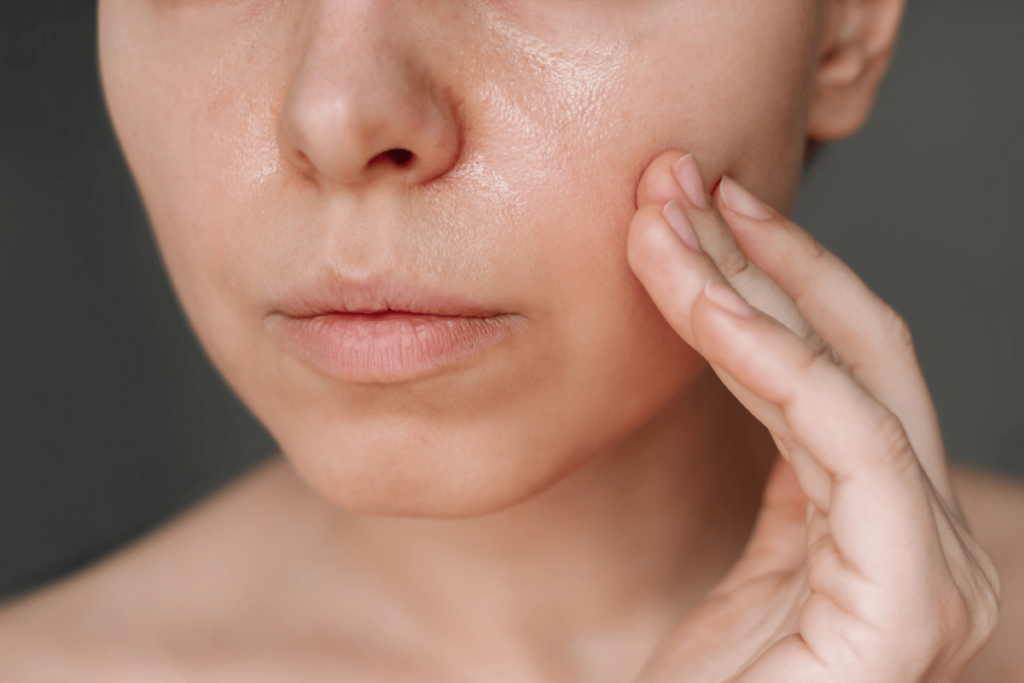
Here’s why things get trickier in monsoon:
- Increased humidity: It signals your skin to produce more oil, leading to a greasy feel and clogged pores.
- Sweating and oil buildup: The mix of sweat, dirt, and oil worsens acne and blackheads.
- Frequent exposure to rainwater: It may seem clean, but it can disturb your skin’s natural balance, especially if it’s polluted or acidic.
- Over-cleansing: Trying to remove the stickiness by overwashing can strip off natural oils, pushing your skin to produce even more oil.
The solution is not to fight aggressively with the excessive oil, but to manage it smartly.
Daily oily skin care tips for monsoon
When the weather gets humid and sticky, oily skin becomes harder to control. That’s why your daily skincare routine needs a little change during the monsoon. It’s not about using more products but about choosing the right ones and following a proper routine, morning and night.
Here’s a step-by-step guide that helps keep your skin clean, oil-free, and fresh.
1. Start with a mild, oil-control face wash
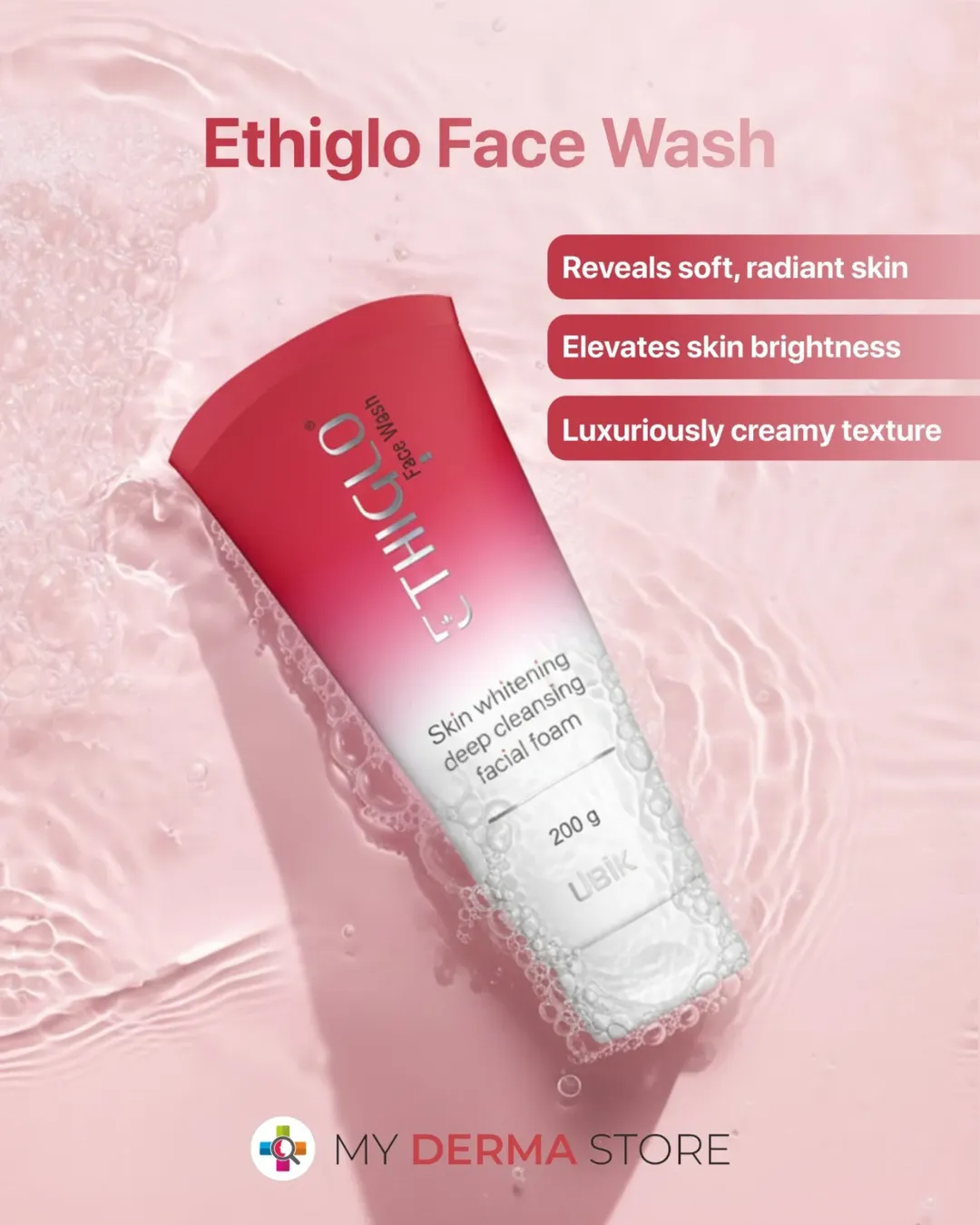
Wash your face twice a day using a gentle, foaming cleanser that removes extra oil, dirt, and sweat. Look for face washes with ingredients like tea tree oil, salicylic acid, or neem that help control oil and prevent acne. Avoid harsh soaps or overly drying face washes—they might make your skin dry at first, but will lead to more oil later.
Prop Tip: Don’t wash your face more than 3 times a day, even if it feels greasy. Over-washing confuses your skin and increases oil production.
2. Apply a balancing toner
After cleansing, use an alcohol-free toner to tighten pores and refresh your skin. Toners with ingredients like witch hazel, rose water, or cucumber help reduce shine and remove leftover dirt. They also prepare your skin to absorb the next skincare steps better.
Pro Tip: Use a cotton pad to dab it on your face or gently pat it in with your fingers.
3. Use a lightweight, gel-based moisturizer
Even if your skin feels oily, skipping moisturiser is a mistake. Your skin still needs hydration to stay balanced. Pick a non-comedogenic, water-based, or gel-based moisturizer that feels light and doesn’t leave a greasy layer. It hydrates your skin without clogging your pores.
Pro Tip: Aloe vera-based moisturizers work well for oily and acne-prone skin during the monsoon.
4. Choose the right sunscreen
Humidity can make thick sunscreens feel uncomfortable. But your skin still needs sun protection, even on rainy or cloudy days. Use a matte-finish, oil-free sunscreen with SPF 30 or higher. Look for labels that say “non-comedogenic” or “for oily skin” to avoid blocked pores.
Pro Tip: If you wear makeup, use a sunscreen that works well as a base or go for a BB cream with SPF.
5. Keep exfoliation in your weekly routine
Oily skin collects more dead skin cells, sweat, and dirt, leading to clogged pores. Exfoliate 1–2 times a week using a mild scrub or an AHA/BHA-based chemical exfoliant. It removes buildup, keeps pores clear, and prevents blackheads and breakouts.
Pro Tip: Avoid using rough scrubs or exfoliating too often—it can irritate the skin and worsen oiliness.
6. Add a water-based serum
If you want to go a step further, include a light serum that targets oil control, acne, or pores. Niacinamide serums are perfect for oily skin—they help reduce sebum production and improve texture.
Pro Tip: Use 2–3 drops after toning and before moisturizing.
7. Keep your night routine clean and simple
At night, remove all makeup and cleanse your face thoroughly. Use the same toner and moisturizer you use during the day. If needed, apply a spot treatment on acne or pimples—but only on the affected area.
Pro Tip: Sleeping with makeup or dirt on your skin is one of the biggest causes of acne during monsoon.
Best natural ingredients for oily skin in monsoon
Natural remedies can be gentle and effective when used right. If you’re into DIY skin care, here are some ingredients that help manage oily skin:
- Multani Mitti (Fuller’s Earth): Great for absorbing oil and giving your skin a smooth, matte look.
- Aloe Vera: Soothes and hydrates without clogging pores.
- Neem: Helps control acne and reduce oiliness.
- Cucumber: Cools the skin and controls sebum.
- Tea Tree Oil (in diluted form): Fights acne and keeps bacteria away.
Use the skincare product with these ingredients to see visible results over time.
In a nutshell,
Oily skin in the monsoon can be managed well with proper care and consistency. Choose the right products, tweak your habits, and stay hydrated inside and out.
Still confused? – Get in touch with our expert skincare specialists, and we will suggest the best skincare products that suit your skin type and your challenges.

Ilesh Khakhkhar
Author
Ilesh Khakhkhar is the Founder & Managing Director of UBIK Solutions Pvt. Ltd., a leading cosmeceutical company in India. Starting from humble beginnings in 2003 with Ethicare Remedies, Ilesh has expanded his influence across the dermatology industry with multiple ventures including Ethinext Pharma and My Derma Store.
YOU MAY ALSO LIKE


WRITE A COMMENT
Login
0 Comments
Oldest