Fungal infection is something that we do not frequently discuss either generally or openly with others. It goes on the discussion table only when it goes beyond the span of control. But, this is not something that can not be handled at an early stage. The proper set of hygiene practices and the timely application of antifungal cream can help your skin stay away from or get rid of it quickly. These ready-to-use, easy-to-apply, and yet effective over-the-counter solutions are very effective if it is appropriately applied.
Only using the antifungal cream and applying it correctly makes a significant difference in its impact. The application of the antifungal cream quickly clears the infection from deep inside. It also helps you keep it away for a more extended period with the right course of application and use. In this discussion, we will put more emphasis on how to deal with fungal infections and apply antifungal cream before, during, and after the fungal infection situation. It will help you understand how you can get the maximum result with this over-the-counter antifungal cream for your fungal infection problem.
Table of Contents
How do antifungal creams work on your skin?

Fungal infections can happen in different parts of our bodies. It majorly occurs on the warm and sweaty areas of our body, like the feet, groin, underarms, or between skin folds. It usually seems like red patches on the skin, and the intensity is based on the level of infection. You may also suffer from itching, skin peeling, or minor cracks when you deal with a fungal infection. To deal with such symptoms, antifungal cream is prepared accordingly, which focuses on fighting the fungus that causes such problems.
These creams contain ingredients such as clotrimazole, miconazole, terbinafine, or ketoconazole. These medicines work by either killing the fungus or stopping it from growing any further. When used correctly, they help reduce the infection and make the skin feel normal again.
It is essential to know that these creams do not give instant relief. Most fungal infections take 1 to 4 weeks to clear up, depending on how nasty the infection is. That is why it is necessary to apply the cream the right way every day and continue using it for as long as the instructions say, even if the skin starts to look better before that.
Easy steps to apply antifungal cream in the right way
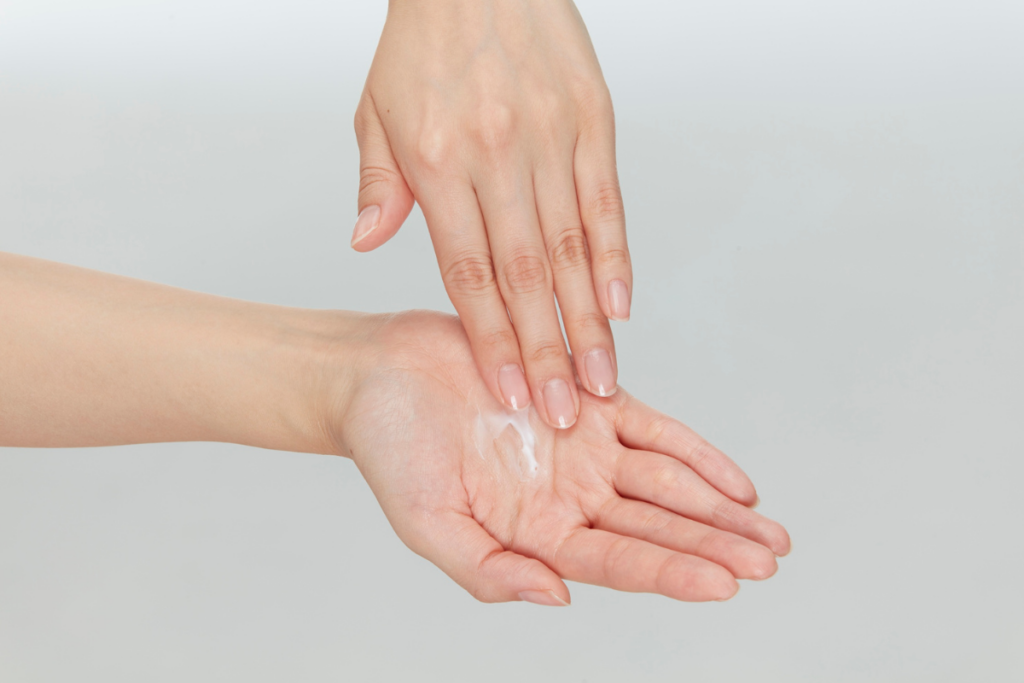
Using antifungal cream the right way can help you get better faster. But many people make small mistakes, like using too much cream or not keeping the area clean. These mistakes can make the infection last longer. If you follow a few simple steps every time, the cream will work better, and your skin will heal sooner. Here is a straightforward way to do it.
1. Clean the skin before you apply the cream
Before you put on the cream, the infected area should be clean and dry. This helps the cream work better and keeps the infection from spreading. Use mild soap and warm water. Be gentle with your skin; do not scrub or rub too hard.
- Wash the area with soap and water.
- Dry it gently with a clean towel.
- Use a different towel each time.
2. Use a small amount of cream
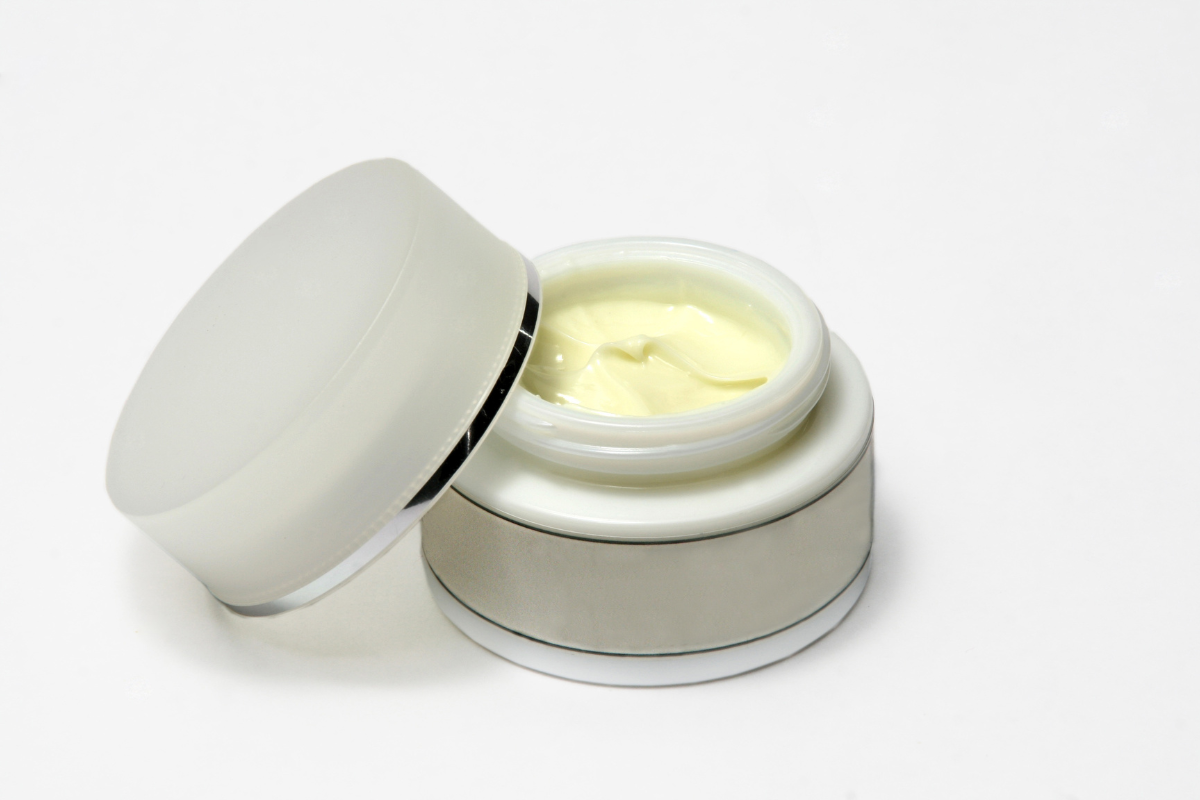
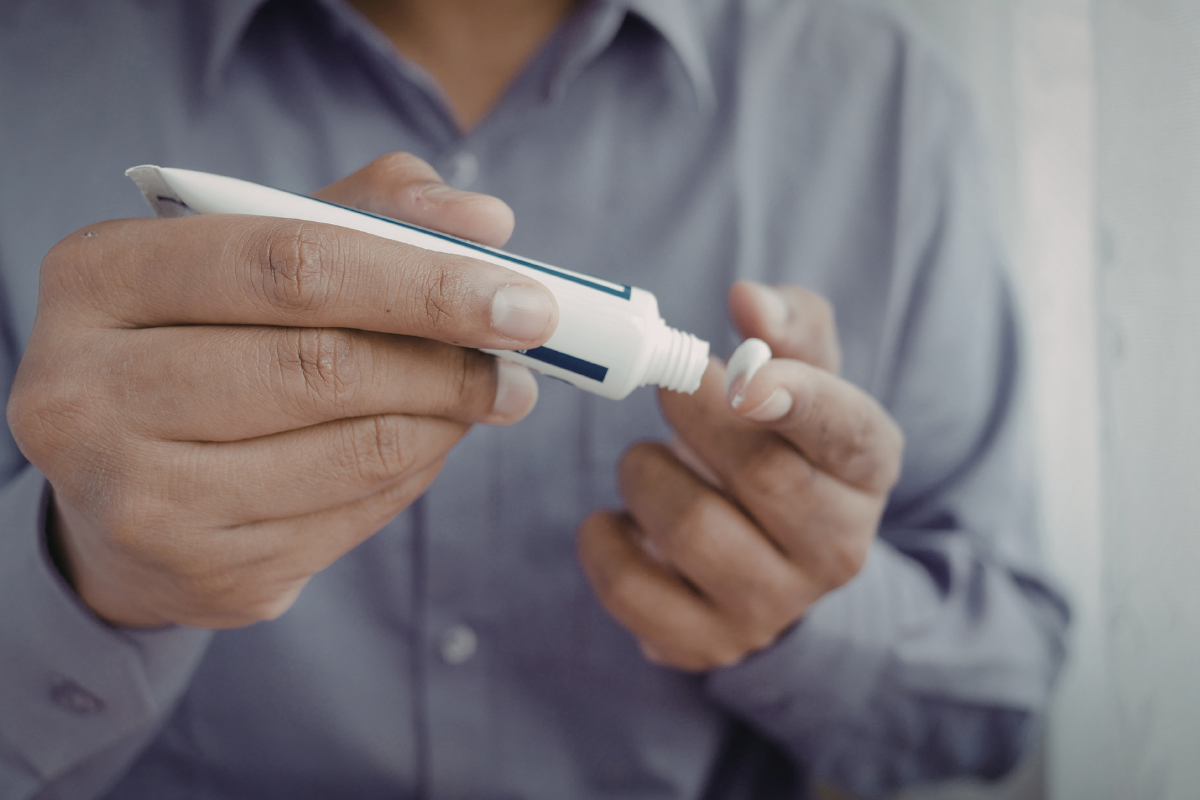
You do not need to use a lot of creams. A little bit goes a long way. Spread a thin layer on the infected skin and also a little around it. Using too much will not make it work faster.
- Take a small amount, like the size of a pea.
- Rub it in gently
- Cover a bit of skin around the infection.
- Do not use it on broken or very sore skin.
3. Wash your hands before and after
Your hands can carry the fungus from one place to another. That is why it is essential to clean your hands both before and after using the cream. It keeps the infection from spreading to other body parts or other people.
- Wash your hands with soap before applying.
- Wash again after you are done.
- Do not touch your face or other areas.
4. Give it time to dry
After you put on the cream, let it dry for a few minutes. If you cover it too soon with clothes, it can trap sweat and make things worse. Loose clothes help the area stay dry and fresh.
- Wait 5–10 minutes before getting dressed.
- Wear soft, loose-fitting clothes.
- Do not cover it with tight bandages.
- Keep the skin cool and dry during the day.
- Try not to sweat too much in that area.
5. Keep using it for the full treatment time
Even if your skin starts to look better, keep using the cream. The fungus can still be there, even if you do not see it. Stopping too early might make the infection come back.
- Use the cream for as many days as the label says
- Apply once or twice a day, as told.
- Keep going even after the rash goes away.
- Do not miss any days
- Set a reminder so you do not forget.
6. Be careful about things that can slow healing
Some habits can make it harder for your skin to get better. Avoid sharing personal items, scratching the skin, or wearing dirty clothes. These can bring the fungus back or make it spread.
- Do not scratch the itchy area.
- Do not share towels or clothes.
- Do not wear sweaty socks or tight shoes
- Do not use old or expired cream
What should you avoid while using antifungal cream?
While the cream helps your skin fight the infection, there are some habits that can slow down healing or make the disease worse. It is essential to take care of your skin and avoid doing things that may spread the fungus or cause it to return. Even small mistakes can lead to longer treatment times. Staying clean, following the routine, and avoiding risky habits will help the cream work better and faster.
- Avoid scratching the infected area.
- Do not stop the treatment early, even if the rash looks better.
- Do not skip any applications of the cream.
- Do not wear tight clothes on the infected area.
- Avoid wearing wet socks or shoes.
- Do not share towels, clothes, or bedding.
- Avoid using other creams or products without asking a doctor.
- Do not touch other parts of your body after applying the cream.
When should you visit a doctor for a fungal infection?
Most mild fungal infections can be treated at home using antifungal cream. But sometimes, the infection may not go away, or it may get worse. If the cream does not help after a few weeks or if the skin becomes more painful, it is a good idea to talk to a doctor. It will help you make sure there is no other skin problem, or a more potent medicine is needed.
You should also visit a doctor if the infection keeps coming back again and again. Some fungal infections may need tablets or special treatment. Getting help early can stop the infection from spreading and will help your skin heal faster.
Summing it up
Following the correct steps when using antifungal cream can help the skin recover faster and prevent the infection from spreading. Keeping the area clean, using the cream regularly, and avoiding common mistakes are all crucial parts of the healing process.
If you feel unsure or the infection is not getting better, speaking with one of our skincare experts can be very helpful. Reach out to our team today and get the support you need for safe and proper skin treatment.

Ilesh Khakhkhar
Author
Ilesh Khakhkhar is the Founder & Managing Director of UBIK Solutions Pvt. Ltd., a leading cosmeceutical company in India. Starting from humble beginnings in 2003 with Ethicare Remedies, Ilesh has expanded his influence across the dermatology industry with multiple ventures including Ethinext Pharma and My Derma Store.
YOU MAY ALSO LIKE

WRITE A COMMENT
Login
0 Comments
Oldest