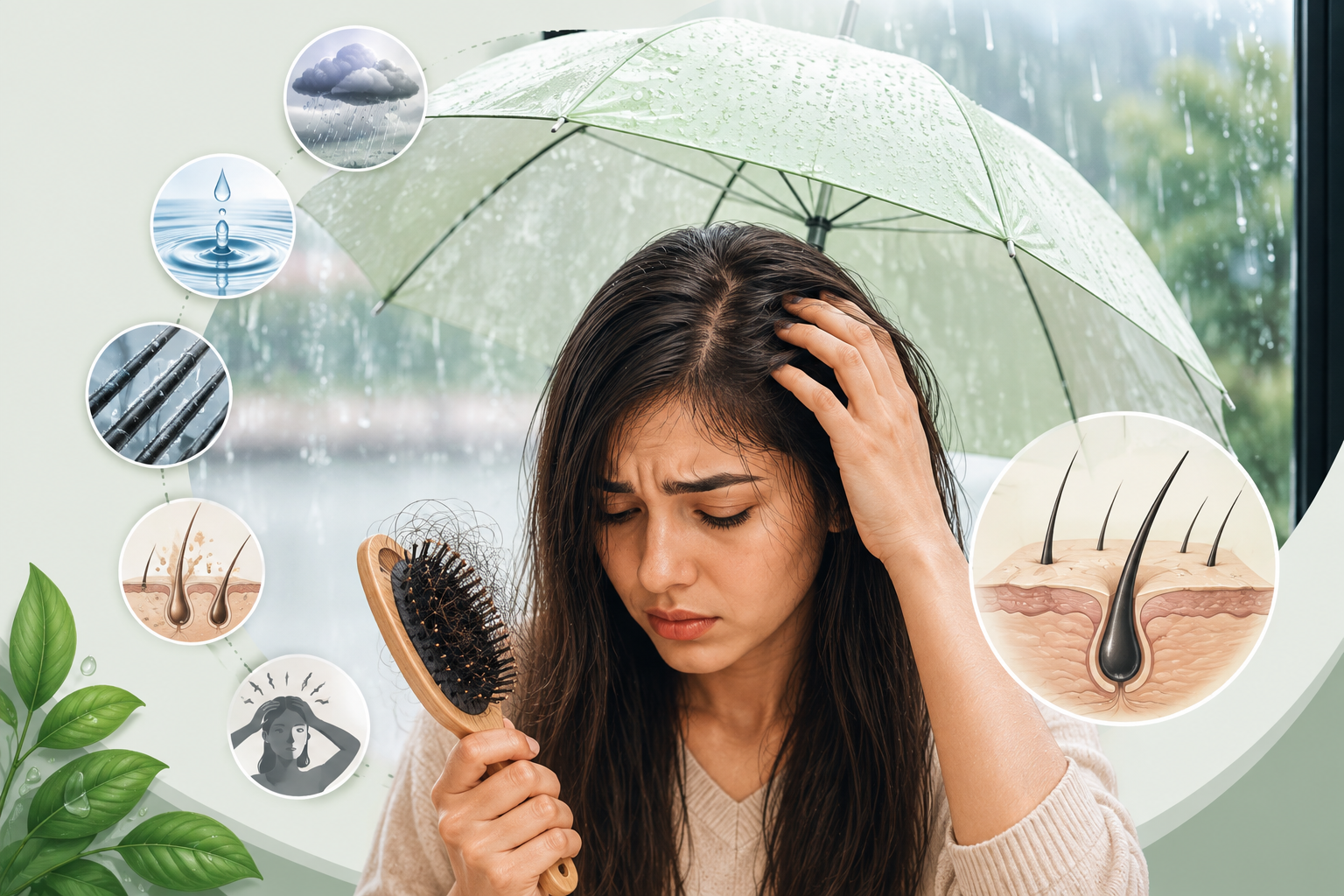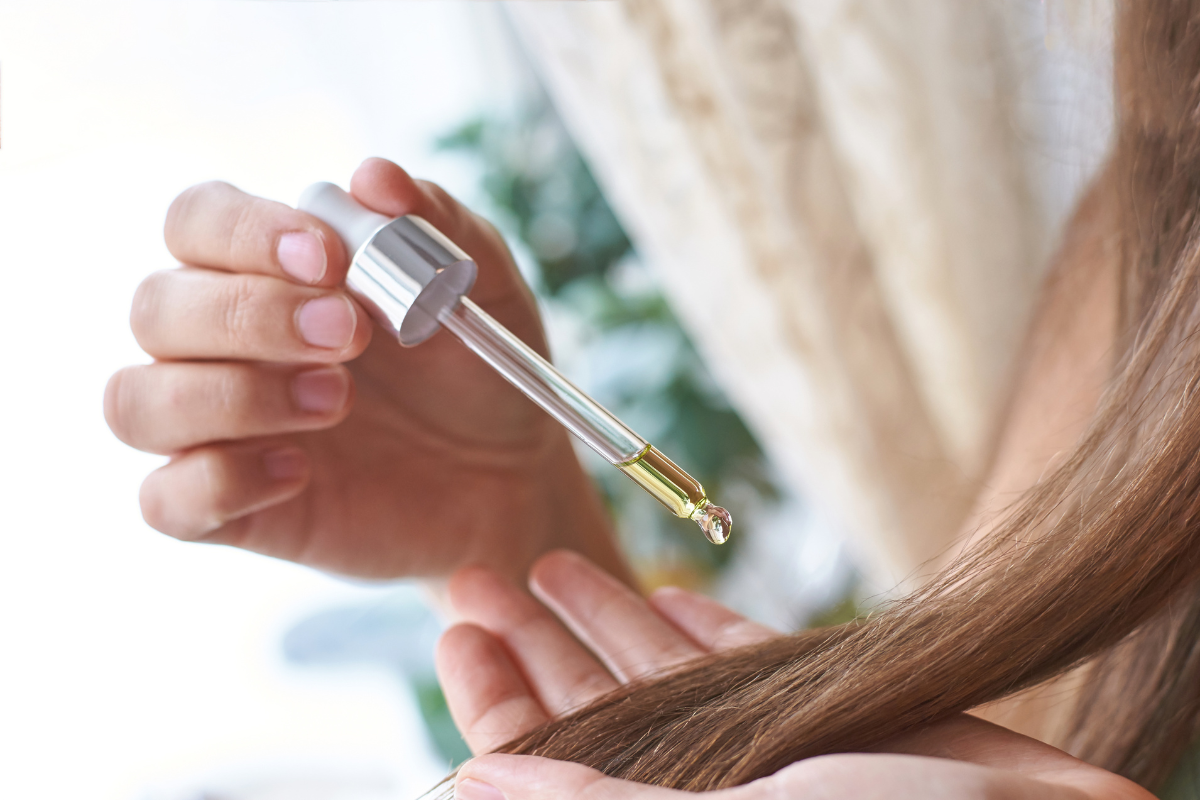
When you reach a particular age group, you must be dealing with a specific hair problem, knowingly or unknowingly. Youngsters have their problems, adults have theirs, and seniors have theirs as well. But, most of the age groups have one commonly noticed problem of hair growth. Whether they are dealing with thin hair breakage or slow hair growth, they look for a solution for sure.
In the course of this search, they must come across two ingredients often, and those are Keratin and Biotin. Both of these ingredients have a solid reputation in the haircare domain. But with a different purpose and the way they act on hair and scalp, both have their importance and purpose.
Now, when you need to decide between these two ingredients, the only thing that helps you choose is the knowledge about both. How they act, what purpose they serve, and when to apply which ingredient for better hair health.
In this article, we will emphasize what both ingredients are, compare their actions and purposes, and when to adopt one for your hair problems.
Table of Contents
Keratin and Biotin for Hair Growth – A quick overview
When we come across both ingredients, initially, both look similar. Usually, we ignore both when it comes to a shampoo bottle, as we are not interested in knowing them actively till we deal with a serious issue. When we get serious about our hair problem, we start noticing and trying to understand why this bottle of shampoo consists of this ingredient. We want to understand what science is behind it and what properties it carries to solve our problem.
Keratin is a structural protein that makes up a significant portion of your hair, skin, and nails. Think of it as the raw material your hair is made from. It helps with hair strength, smoothness, and protection against external damage.
Biotin, also known as Vitamin B7, is a water-soluble vitamin that plays a key role in breaking down fats, carbs, and proteins, essential for healthy skin, nails, and especially hair. Biotin doesn’t directly build your hair strands, but it supports the biological processes that enable healthy hair growth from within.
How does keratin help in improving hair quality?
Keratin treatments are widely used in salons, especially for their immediate cosmetic benefits. But how does keratin contribute to hair growth?
- Strengthens damaged strands: By bonding to weak areas of the hair shaft, keratin can reinforce and smooth out cuticles, reducing breakage and split ends.
- Reduces frizz and dryness: Keratin fills in porous spots in hair, giving it a shinier, smoother finish.
- Protects against heat and pollution: A keratin layer can act like a sealant, shielding your hair from everyday wear and tear.
- Makes hair appear longer: While it doesn’t make hair grow faster from the root, it reduces breakage, making it easier to retain length.
However, most keratin treatments are topical and temporary. Also, some keratin treatments in salons use formaldehyde or its derivatives, which could be harsh if used frequently.
How does biotin support hair growth from within?
In contrast to keratin, biotin doesn’t coat your hair—it works deeper by supporting metabolic processes related to hair formation.
- Improves keratin infrastructure: Biotin indirectly boosts your body’s ability to produce keratin naturally.
- Helps reduce hair thinning: It’s often recommended for people dealing with hair loss due to a vitamin deficiency.
- Supports overall follicle health: Biotin promotes better blood flow and nutrient delivery to hair follicles.
- Boosts growth cycle: Consistent intake may support a longer anagen (growth) phase of the hair cycle, leading to better length retention over time.
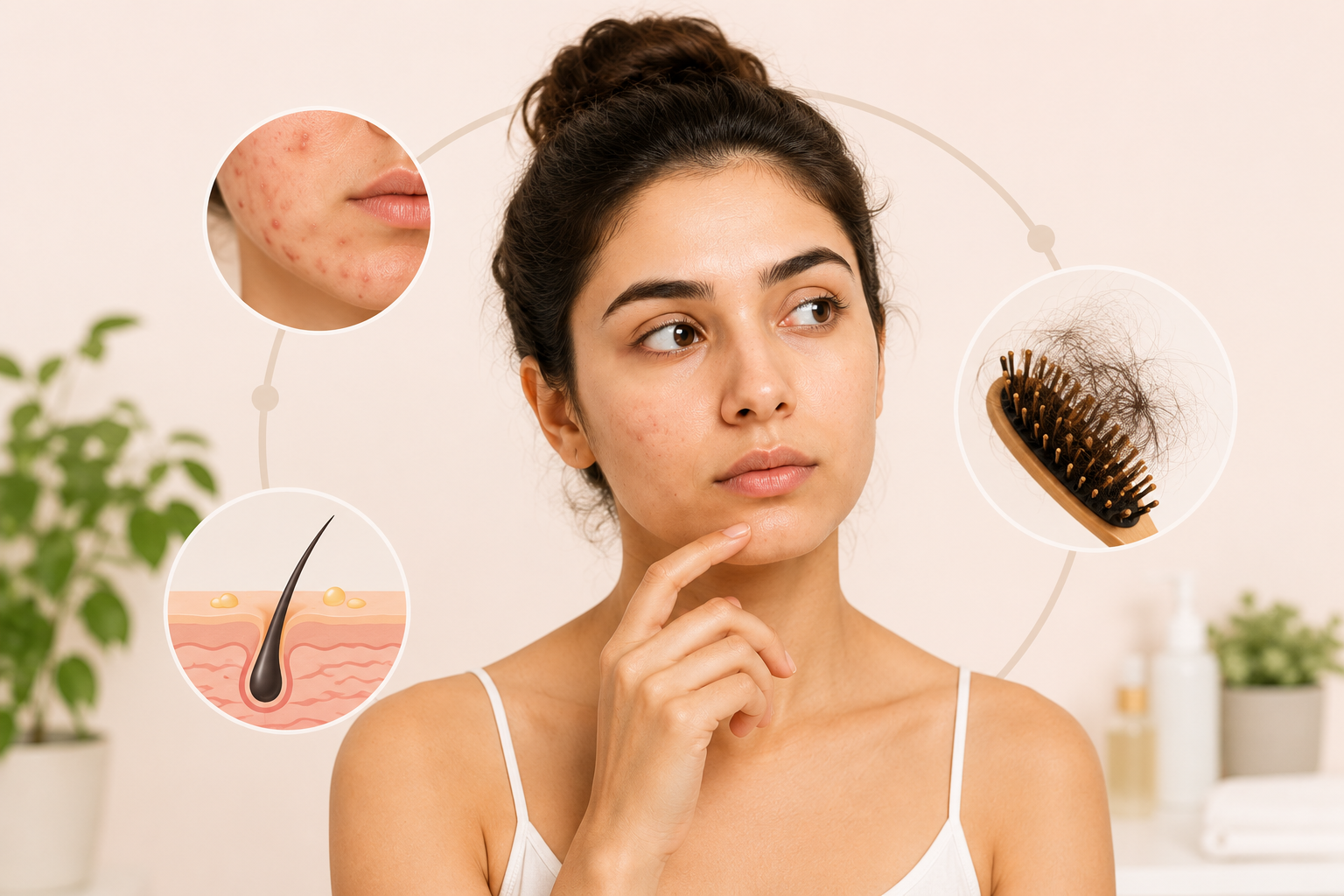
Biotin supplements are usually taken orally and may take a few months to show visible results. While it’s generally safe, overuse can sometimes cause acne or interfere with lab test results.
What to choose between keratin and biotin?
Deciding between keratin and biotin comes down to the root cause of your hair issues. If your strands are looking lifeless due to excessive styling or environmental damage, keratin might help restore strength and shine. On the other hand, if the issue stems from within—like slow growth, thinning, or weak follicles—biotin may offer more noticeable results over time.
That said, these two aren’t always either/or choices. Many people find the best results by using both biotin to feed the roots and keratin to protect what’s already grown. Still, understanding their core differences helps you set the right expectations and choose products or supplements more wisely.
- Hair condition – If your hair feels damaged, frizzy, or over-processed, keratin can provide external support and repair.
- Growth concerns – For slow growth or excessive shedding, biotin may help strengthen follicles and boost regrowth.
- Quick fix vs. patience – Keratin shows instant surface-level results, while biotin works gradually over weeks or months.
- Topical vs. internal – Keratin is applied externally through treatments or products; biotin works from the inside via diet or supplements.
- Hair thickness goal – Biotin may help increase hair density if taken regularly over time, especially if you have deficiency symptoms.
- Styling recovery – Keratin is functional after chemical treatments or regular heat styling to reduce breakage and dryness.
- Daily care routine – Biotin fits nicely into a long-term supplement plan; keratin needs more selective, product-based care.
- Allergy or sensitivity – Biotin is generally safe, but can trigger acne in some; keratin treatments may include formaldehyde, which can irritate.
- Budget and maintenance – Keratin treatments can be pricey and require aftercare; biotin is usually more cost-effective for long-term support.
How to use keratin and biotin effectively for hair growth
Using keratin and biotin the right way can help you get the most out of their benefits, whether you’re aiming for healthier strands or stronger roots. The key lies in not just what you use but how consistently and safely you apply or consume these treatments.
Keratin, being topical, needs proper product choice and aftercare. Biotin, being internal, requires regular intake and a bit of patience. Pairing both can offer excellent results when done the right way. Here’s how to put them to work in your routine:
- Start with a hair analysis – Understand your hair type and condition before choosing either keratin products or biotin supplements.
- Use sulfate-free keratin shampoos – They help maintain the protein layer without stripping it off with harsh cleansers.
- Avoid overdoing keratin treatments – Limit salon keratin treatments to every few months to avoid protein overload.
- Choose biotin supplements wisely – Go for trusted brands with recommended daily dosages (typically 30–100 mcg for adults).
- Pair biotin with a balanced diet – Support your supplement intake with foods rich in B vitamins, iron, and zinc.
- Hydrate and oil regularly – Use natural fats (like argan or coconut) alongside keratin products to lock in moisture and shine.
- Track your progress – Take monthly photos or keep notes to track changes in hair growth or quality with biotin.
- Stay consistent for 3–6 months – Neither keratin nor biotin delivers overnight miracles—regular use is what brings visible improvement.
Key takeaways
Keratin and biotin offer different benefits. Keratin improves the texture and resilience of your hair on the outside, while biotin supports healthy growth from within. If your hair feels dry, frizzy, or damaged, keratin-based treatments or products can help smooth and strengthen it. On the other hand, if you’re noticing thinning or slower growth, biotin supplements may provide deeper, long-term support.
Still unsure which one your hair needs? Our experts are here to guide you. Reach out for personalized advice based on your hair type, routine, and goals We’ll help you build a plan that works for you.

Ilesh Khakhkhar
Author
Ilesh Khakhkhar is the Founder & Managing Director of UBIK Solutions Pvt. Ltd., a leading cosmeceutical company in India. Starting from humble beginnings in 2003 with Ethicare Remedies, Ilesh has expanded his influence across the dermatology industry with multiple ventures including Ethinext Pharma and My Derma Store.
YOU MAY ALSO LIKE




WRITE A COMMENT
Login
0 Comments
Oldest