Skincare is never out of trend. And, we speak about Skincare. Some ingredients never stay behind on the list and the retinol is always one of them. It has been widely preferred for skincare for its ability to cut down on wrinkles, enhance skin texture and clear out the acne. With such properties and benefits, it isa staple to almost each skincare routine. Not only these but the aging, the most important factor on skin, can be repaired with retinol, preferred by most dermatologists and skincare experts around the world.
Having such importance, it is obvious that the information is flooded about it and because of that, it can be overwhelming to understand about retinol, the different types of it, the benefits of it and the way it works and it should be used for better and safer results. In this article, we will ensure to put all these details in it to make it easier for you to understand and adopt retinol for skincare.
Table of Contents
What is Retinol?
Retinol is a kind of Retinoid, a class of compounds that comes from vitamin A. Though it is not so hard to find. It is very well available as an over-the-counter skin care product, of course in different ways. It helps fight collagen production and gives you a good skin texture. It is mostly well received in the skincare routine due to its anti-aging and acne expert properties.
The reason it is more popular against the prescribed retinoids like tretinoin, is because of its gentler approach to skin. It works in a way that your skin tolerates and delivers the desired results.
Different Types of Retinol
Retinol comes in different strengths and formulations, each catering to specific skincare needs. Understanding these variations can help in choosing the most suitable option.
- Retinyl Palmitate – The mildest form of retinol, ideal for beginners or those with sensitive skin. It takes longer to show results but is less likely to irritate.
- Retinol – The most common over-the-counter form. It is more effective than retinyl palmitate but still requires conversion into retinoic acid.
- Retinaldehyde (Retinal) – A stronger form of retinol that converts into retinoic acid faster, making it more effective while remaining gentle on the skin.
- Tretinoin (Retinoic Acid) – A prescription-only retinoid that works faster and delivers more dramatic results but can cause irritation and peeling in the early stages.
- Adapalene – A synthetic retinoid commonly found in acne treatments. It is gentler than tretinoin but still effective in treating breakouts.
Benefits of Retinol for Skin Care
Retinol is a powerhouse ingredient known for its ability to improve skin texture, reduce fine lines, and clear breakouts. It speeds up cell turnover, helping to replace dull, damaged skin with fresh, healthy cells. This process also supports collagen production, keeping the skin firm and smooth. Retinol is effective in fading dark spots, refining pores, and controlling oil production, making it suitable for various skin concerns. Regular use can lead to a brighter, clearer, and more youthful complexion.
- Reduces wrinkles and fine lines – Stimulates collagen production, which helps keep skin firm and smooth.
- Improves skin texture – Speeds up cell turnover, removing dead skin cells and revealing fresher, healthier skin.
- Clears acne and prevents breakouts – Helps unclog pores, reduces oil production, and prevents the formation of acne.
- Fades dark spots and hyperpigmentation – Reduces melanin production, gradually lightening pigmentation and evening out skin tone.
- Minimizes enlarged pores – Regulates oil production, preventing pores from stretching and appearing larger.
- Enhances skin radiance – Promotes a youthful glow by keeping the skin fresh and rejuvenated.
Is Retinol Safe on Skin?
Retinol is generally safe when used correctly, but it can cause redness, dryness, peeling, and increased sensitivity to the sun—especially during the initial weeks of use. To minimize irritation, it is recommended to start with a low concentration and increase gradually. Those with sensitive skin may experience more side effects, so a patch test before full application is always a good idea.
Using sunscreen is non-negotiable when using retinol, as the skin becomes more vulnerable to UV damage. While most skin types can benefit from retinol, those with eczema, rosacea, or extremely sensitive skin should consult a dermatologist before incorporating it into their routine.
Who Should Use Retinol for Skincare?
Retinol is suitable for many people, but the right product and strength depend on individual skin concerns.
- People in their late 20s or early 30s looking to prevent early signs of aging.
- Individuals with acne-prone skin who want to reduce breakouts and control oil production.
- Those struggling with uneven skin tone or sun-induced pigmentation.
- Anyone looking to improve skin texture and achieve a smoother complexion.
- People with normal to oily skin who can tolerate retinol without excessive dryness.
How Retinol Should Be Used for Skincare?
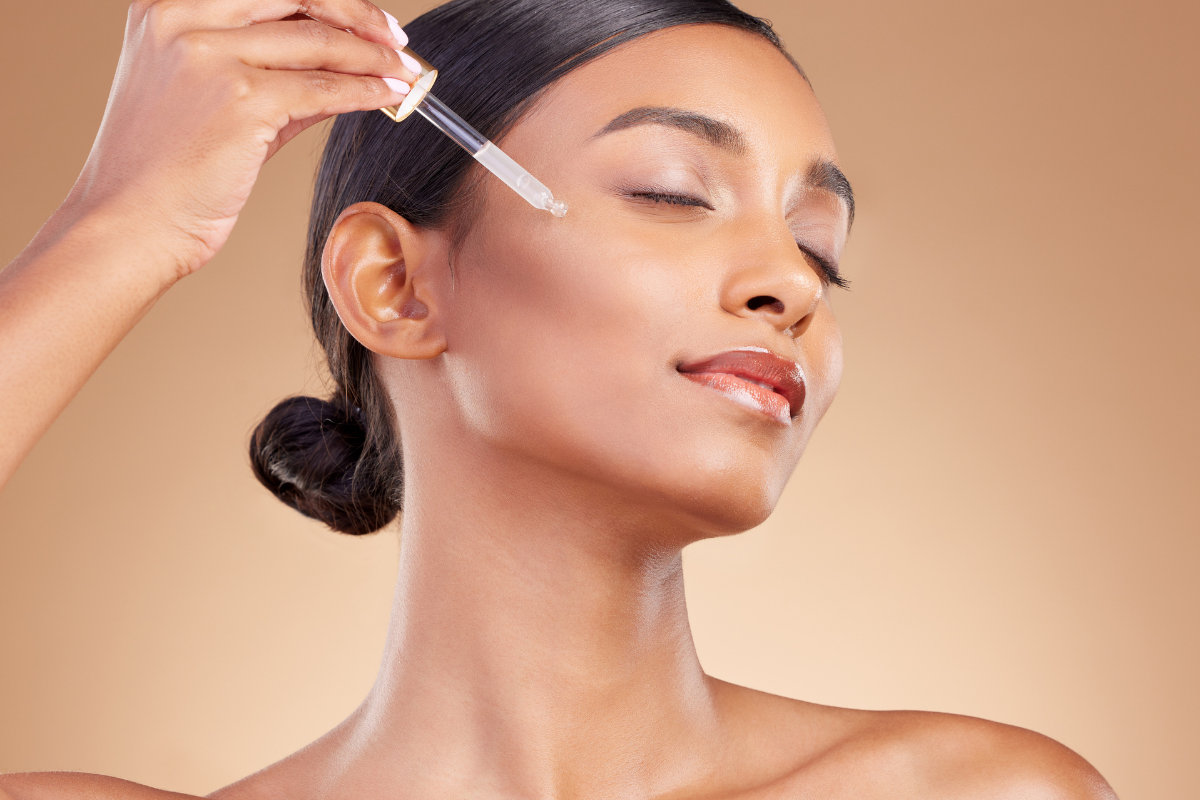
Using retinol the right way is essential to get the best results while avoiding irritation. Since it is a potent ingredient, starting slow and allowing the skin to adjust is key. Most dermatologists recommend beginning with a low concentration and applying it only a few times a week before gradually increasing frequency. Use Retinol at night time for better result, as it makes the skin more sensitive to sunlight. To prevent dryness, always pair it with a good moisturizer and sunscreen during the day.
Following a structured routine like below ensures retinol works effectively without overwhelming the skin.
- Start with a low concentration (0.25% or 0.3%) and use it 2-3 times a week to allow the skin to adjust.
- Apply retinol at night, as it makes the skin more sensitive to sunlight.
- Use a pea-sized amount for the entire face to prevent excessive irritation.
- Follow up with a moisturizer to keep the skin hydrated and reduce dryness.
- Always apply sunscreen (SPF 30 or higher) during the day, as retinol increases sun sensitivity.
- Avoid using it with strong exfoliants (like AHAs/BHAs) or vitamin C at the same time to prevent irritation.
- Increase frequency gradually if there are no signs of excessive dryness or irritation.
Quick Tips to Follow While Using Retinol for Skincare
Using retinol requires patience and the right approach to avoid irritation and get the best results. Since it can make the skin sensitive, proper hydration and sun protection are essential. Starting with a lower strength and using it a few times a week helps the skin adjust.
Harsh exfoliants or strong active ingredients should be avoided to prevent redness or peeling.
Following these simple tips can help make retinol more effective and tolerable.
- Always do a patch test before using retinol to check for any adverse reactions or sensitivity.
- Avoid applying retinol right before bed to prevent it from rubbing off on your pillow and reducing its effectiveness.
- Keep the eye and mouth areas untouched, as these regions are more sensitive and prone to irritation.
- Never mix retinol with benzoyl peroxide or strong exfoliants, as this can cause excessive dryness and peeling.
- Drink plenty of water and use hydrating skincare products to help the skin adjust to retinol use.
- If your skin becomes too dry or irritated, switch to using retinol every other night instead of stopping completely.
- Store retinol in a cool, dark place to prevent it from breaking down due to heat or sunlight exposure.
- Be patient and consistent, as results take time, but overuse won’t speed up improvements and can harm the skin.
Summing it up
Retinol is a powerful skincare ingredient that can transform the skin when used correctly. From reducing wrinkles to clearing acne and improving overall texture, it offers a wide range of benefits. However, patience and the right approach are key to avoiding irritation and achieving long-term results. With the right routine and proper care, retinol can help you achieve a smoother, healthier, and more youthful complexion.
If you’re unsure about the best way to use retinol for your skin type, connect with our experienced skincare experts for personalized guidance.

Ilesh Khakhkhar
Author
Ilesh Khakhkhar is the Founder & Managing Director of UBIK Solutions Pvt. Ltd., a leading cosmeceutical company in India. Starting from humble beginnings in 2003 with Ethicare Remedies, Ilesh has expanded his influence across the dermatology industry with multiple ventures including Ethinext Pharma and My Derma Store.
YOU MAY ALSO LIKE


WRITE A COMMENT
Login
0 Comments
Oldest