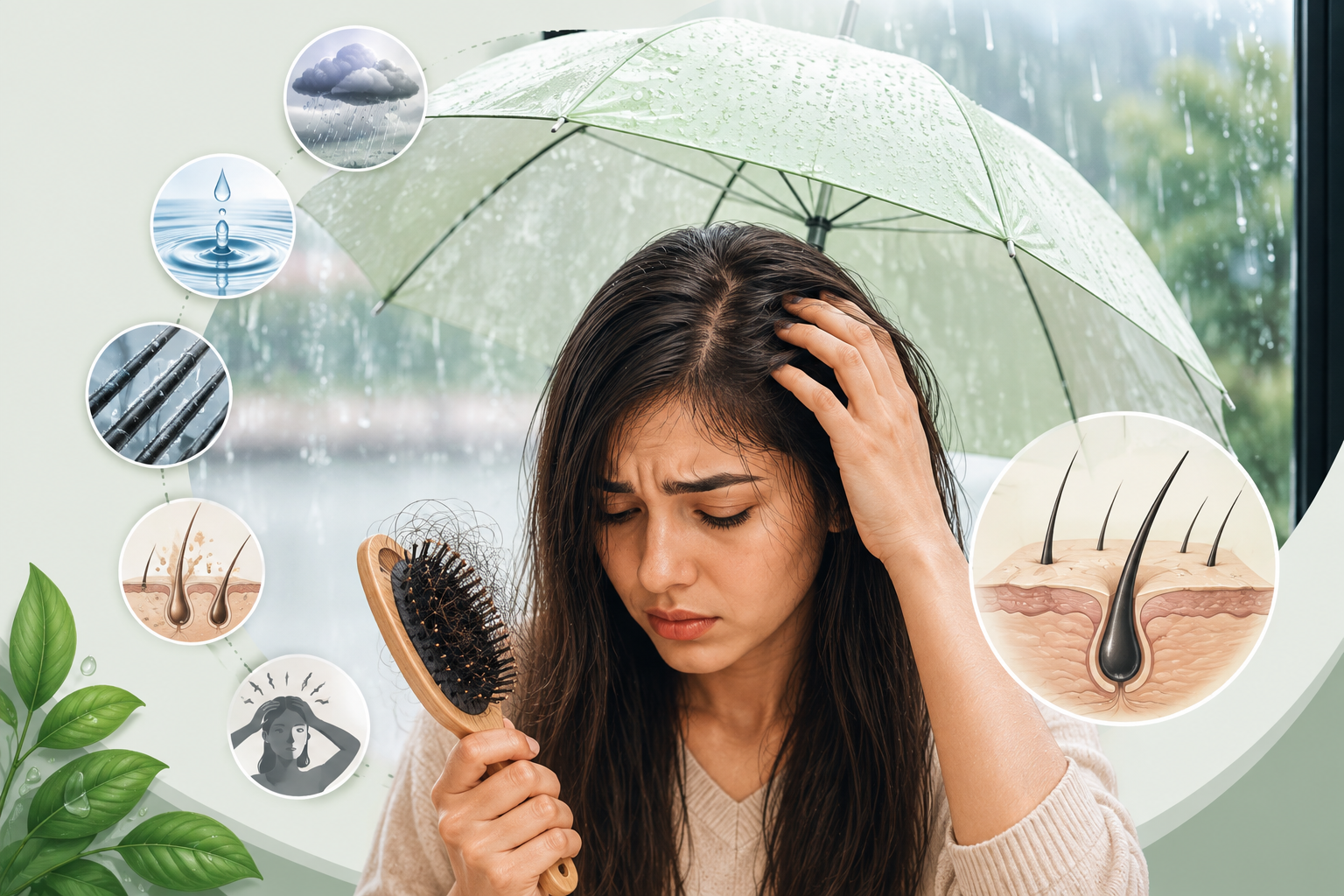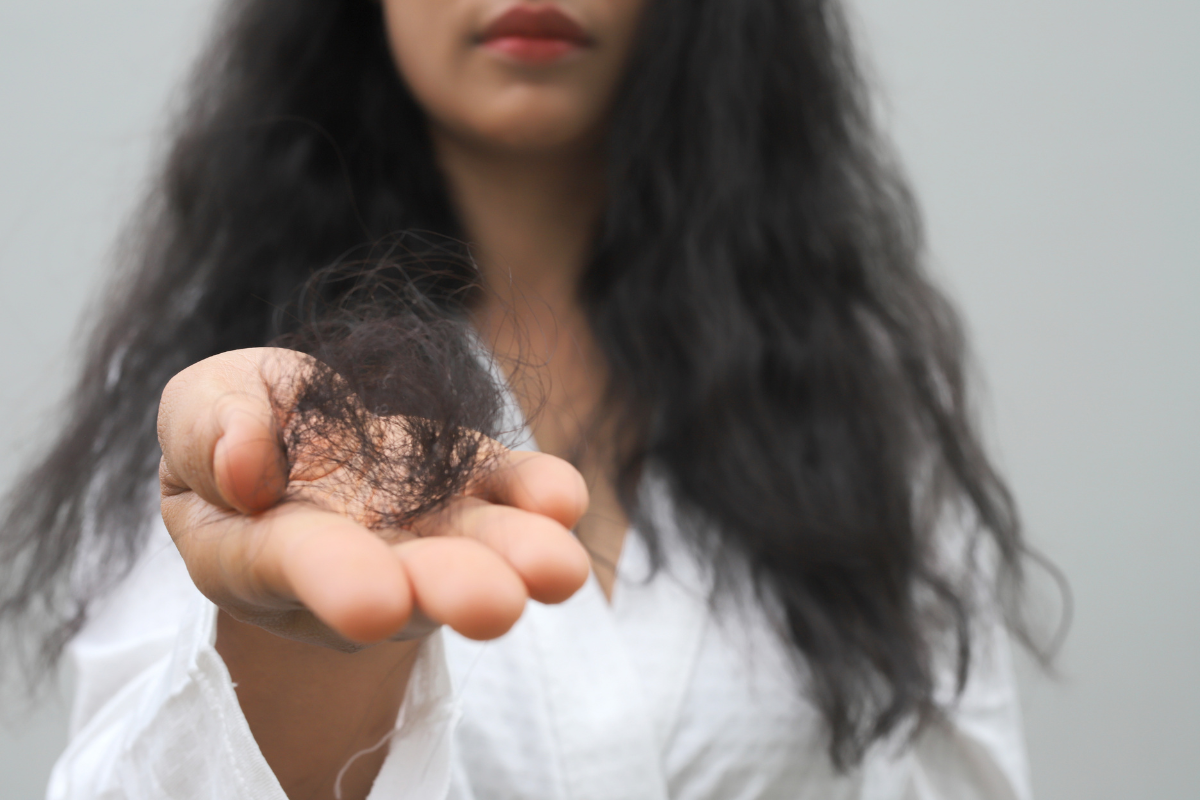
Stress in your life impacts you in many ways, but the most ignored and unknown impact that you had of it, is hair fall. People normally notice the hair fall but fail to correlate it with stress. This usually results due to highly stressful periods of work or life problems, any other major life change or a bout of illness. It is even medically proven that stress does impact the hair fall and in a very bad way. But it is also noted that it is temporary and curable if taken seriously enough.
Hair fall after stress does not make you bald. It just means that your body is reacting to the internal pressure you are giving to it by shifting the priorities. Here in this article, we are going to discuss how we are changing our priorities to work against health and importantly to our hair routine. How your daily stress disrupts the hair growth, how you can deal with it and when you need the expert help to deal with stress driven hair fall.
Table of Contents
- 1 How Stress Disrupts the Hair Growth Cycle?
- 2 Why Stress Hair Fall Usually Affects the Whole Scalp, Not Just One Area
- 3 Common Triggers of Stress-Related Hair Fall
- 4 How Long Does Stress Hair Fall Take to Recover?
- 5 Step-by-Step Recovery Plan to Stop the Hair Shedding
- 6 When to Seek Professional Help?
- 7 Recommended Hair Recovery Solutions from MyDermaStore
How Stress Disrupts the Hair Growth Cycle?
Hair growth follows a predictable cycle, but stress throws that cycle off balance. When your body faces prolonged tension, it redirects energy away from non-essential functions and toward survival. Follicles are highly sensitive to these internal shifts, which is why hair often pays the price.
1. The Anagen to Telogen Shift
Normally, most of your hair stays in the active growth phase for several years. Stress floods your system with cortisol and other hormones that push follicles out of this growth stage and into the resting phase. Once in the resting phase, strands naturally detach and fall out.
2. Two to Three Month Delay Between Stress and Shedding
You rarely lose hair the exact week you feel overwhelmed. The body takes about eight to twelve weeks to process the hormonal shift and push affected strands out. This delay often confuses people, making it hard to connect current shedding to a past stressful event.
Why Stress Hair Fall Usually Affects the Whole Scalp, Not Just One Area
Stress impacts your entire bloodstream and hormone levels, so follicles across your head receive the same signal to rest. You will notice overall thinning rather than a receding hairline or isolated bald spots, which usually point to genetic or localized causes.
Common Triggers of Stress-Related Hair Fall
Stress comes in many forms, but every type sends the same signal to your hair follicles. When your nervous system stays in overdrive, your body shifts energy away from hair production and toward survival. This internal disruption pushes healthy strands into the resting phase, causing them to fall out weeks later. Recognizing the specific trigger helps you address the root cause instead of just treating the symptoms.
- Emotional strain from demanding jobs, financial pressure, or relationship conflicts keeps cortisol levels elevated for months
- Physical trauma from surgeries, high fevers, or sudden illness forces the body to prioritize healing over hair growth
- Chronic sleep deprivation disrupts growth hormone release and slows cellular repair in the scalp
- Crash dieting or sudden nutritional gaps deprive follicles of the protein and iron needed to anchor new strands
- Postpartum hormone drops combined with newborn care stress trigger a temporary but intense shedding phase
- Major life transitions like relocating, changing careers, or experiencing loss create sustained mental fatigue
- Long term anxiety and burnout keep your nervous system reactive, which can weaken follicle resilience over time
How Long Does Stress Hair Fall Take to Recover?
Hair regrowth follows your body’s natural rhythm. Here is what to expect during recovery after stress-related shedding.
Weeks 1 to 4: Shedding Slows
Once stress levels drop and self-care improves, daily hair fall begins to decrease. Focus on gentle handling and adequate nutrition during this reset phase.
Weeks 5 to 8: Early Regrowth Appears
Fine, short hairs start showing along the hairline and part line. These baby hairs confirm your follicles are waking up and shifting back to growth mode.
Months 3 to 4: Visible Thickening Begins
New strands lengthen and gain pigment. Overall density improves, especially in areas that looked noticeably thinner after shedding.
Months 5 to 6: Strength and Length Improve
New hairs blend with existing hair. Breakage decreases as strands gain elasticity, shine, and manageability with consistent care.
Months 7 to 12: Full Density Returns
Most people regain pre-shedding thickness by the one-year mark. The hair cycle resets, and occasional shedding returns to normal, healthy levels.
Step-by-Step Recovery Plan to Stop the Hair Shedding
Stopping stress-related shedding requires a combination of internal support and gentle external care. Your goal is to calm your nervous system and give follicles the building blocks they need.
1. Practice Daily Stress Management Techniques
Short daily walks, deep breathing exercises, or ten minutes of meditation lower cortisol levels. Consistency matters more than duration, so pick a method you can maintain without adding pressure.
2. Prioritize Protein, Iron, and B-Vitamin Rich Foods
Hair is made of keratin, a protein that requires steady fuel. Include eggs, lean meats, lentils, spinach, and whole grains to replace nutrients depleted during stressful periods.
3. Switch to Gentle Hair Care and Avoid Tight Styles or Heat
Stressed hair is more fragile. Use a wide-tooth comb, skip tight ponytails, and limit hot tools to prevent mechanical breakage while new hairs grow in.
4. Consider Targeted Supplements or Dermatologist Recommended Topicals
If your diet lacks key nutrients, a focused supplement can bridge the gap. Topical treatments like minoxidil or soothing scalp serums may also help speed up visible recovery.
When to Seek Professional Help?
Most stress-related hair fall improves with time and self-care, but certain signs mean you should see a dermatologist. If shedding continues beyond six months, appears in distinct bald patches, or comes with scalp redness, itching, or systemic symptoms like fatigue and weight changes, professional evaluation is essential.
Blood tests can reveal hidden deficiencies or thyroid issues that simple stress management cannot fix. Early guidance ensures you address the true cause and avoid unnecessary worry.
Recommended Hair Recovery Solutions from MyDermaStore
Stress depletes the exact nutrients your hair needs to stay anchored and grow strong. Trichospire Plus Hair Kit addresses this gap by delivering a targeted blend of biotin, folic acid, L-cysteine, zinc, and selenium in clinically relevant doses.
Unlike general multivitamins that underdose hair-specific ingredients, this kit provides therapeutic levels shown to reduce excess shedding and support keratin production. It is designed for consistent daily use, making it a reliable internal support tool while your nervous system and sleep patterns stabilize. Pair it with gentle scalp care and stress management techniques for the most efficient recovery.
Final Thoughts
Stress-related hair fall feels alarming, but it is your body’s natural response to temporary pressure. Once you address the trigger and restore balance, your follicles will resume their normal cycle. The key is patience, consistent nutrition, and avoiding harsh treatments that add further stress to fragile strands.
Give your hair the time and support it needs to heal. If you want a clear recovery plan tailored to your shedding pattern, reach out to Hair Experts for personalized guidance recommendations.

Ilesh Khakhkhar
Author
Ilesh Khakhkhar is the Founder & Managing Director of UBIK Solutions Pvt. Ltd., a leading cosmeceutical company in India. Starting from humble beginnings in 2003 with Ethicare Remedies, Ilesh has expanded his influence across the dermatology industry with multiple ventures including Ethinext Pharma and My Derma Store.
YOU MAY ALSO LIKE
WRITE A COMMENT
Login
0 Comments
Oldest