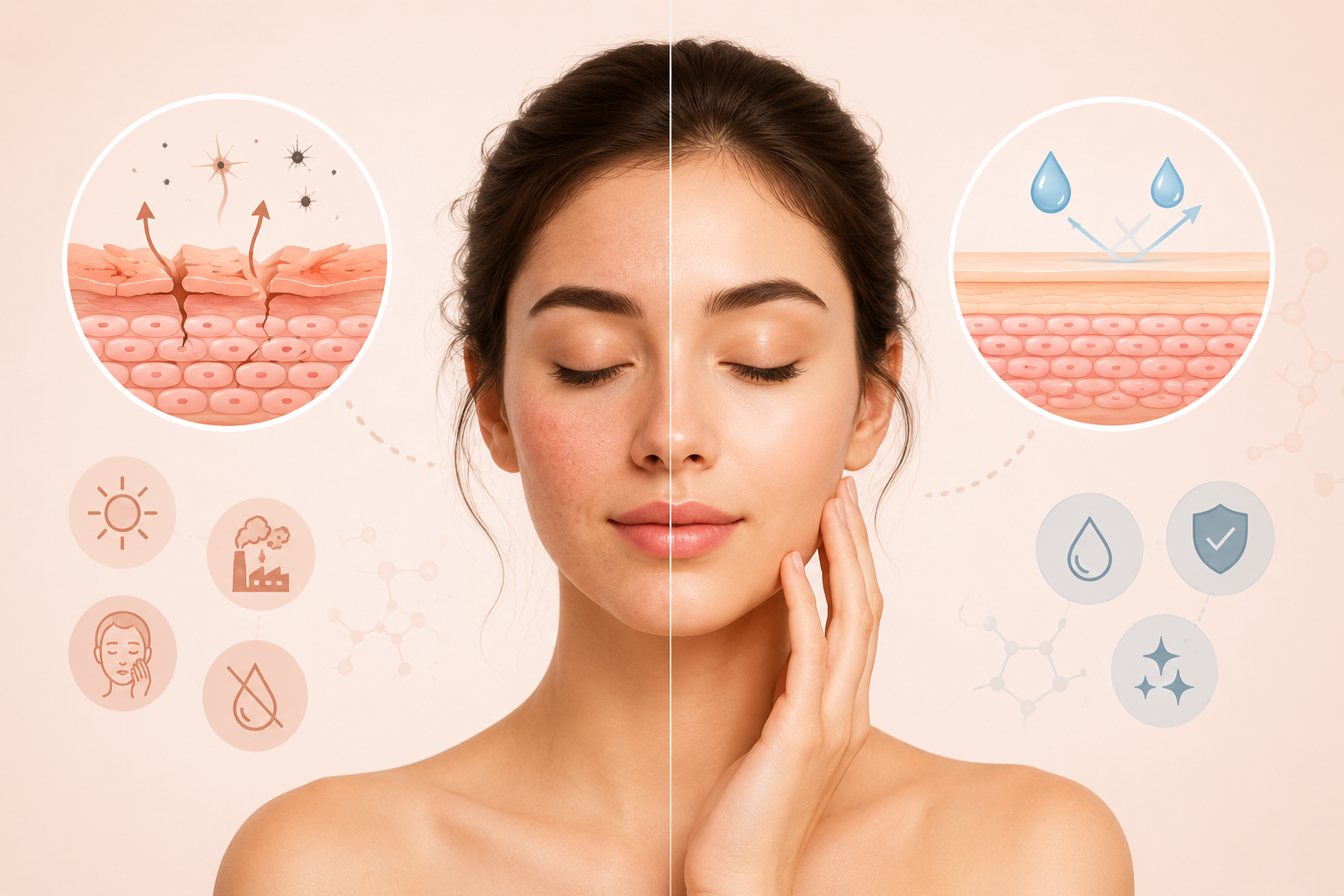
Skin is often associated with our beauty in our minds, but it also protects our body, and upon closer examination, it does more than that. Our skin responds to the internal shifts that are happening inside our body and behind the surface of our skin. It reacts especially when some hormonal changes happen within our body over time. When estrogen, progesterone, or androgens move up or down, our skin keeps track of it inthe right way. These fluctuations then affect the oil production and moisture retention of our skin, and also impact how quickly our skin cells repair and renew themselves.
Most of us experience such skin conditions before any such hormonal changes, like women before or during their period, dryness of skin during menopause, or dark patches during pregnancy. These skin reactions are normal and biological responses. It should not be confused with random skin failures.
This article will discuss specific hormonal changes and their effect on skin behavior at different life stages. We will also point out how to identify hormonal skin change signs at an early stage and adjust your skin routine accordingly to deal with them.
Table of Contents
Why Does Your Skin React When Hormones Shift?
Hormones act as chemical messengers that travel through your bloodstream and bind to receptors in your skin. Androgens like testosterone stimulate sebaceous glands to produce more sebum, which can clog pores and feed acne-causing bacteria.
Estrogen supports skin hydration by boosting hyaluronic acid production and maintaining collagen density. When estrogen drops, skin often feels tighter, looks thinner, and loses plumpness faster.
Progesterone rises during the second half of the menstrual cycle and in pregnancy, increasing oil output and enlarging pores temporarily. Cortisol, the stress hormone, triggers inflammation and breaks down the skin barrier, leading to redness and sensitivity. These hormonal movements happen monthly, seasonally, or during major life transitions. Your skin reflects these internal conversations through visible changes in texture, clarity, and comfort.
Understanding this biology removes guesswork. Instead of treating every breakout the same way, you can anticipate patterns tied to your cycle, stress load, or life stage. This knowledge forms the foundation for a responsive routine that adapts rather than reacts.
How Can You Recognize Hormonal Skin Changes Early?
Hormonal shifts show up in predictable ways depending on your age and current life phase. Learning these signs helps you adjust your routine before issues escalate.
Early recognition means gentler interventions and better skin stability over time. Watch for these common hormonal skin signals:
- Breakouts cluster along the jawline and chin one week before your period starts
- Sudden dryness and fine lines appear during perimenopause as estrogen levels decline
- Dark patches develop on the cheeks and forehead during pregnancy due to melanin stimulation
- Oily shine returns in your 30s or 40s during high-stress periods from cortisol spikes
- Skin feels tight and irritated after stopping birth control as hormones recalibrate
- Acne flares consistently during the luteal phase when androgen activity rises
- Redness and sensitivity increase during menopause because lower estrogen weakens the barrier
- Small bumps appear on the forehead and temples during puberty as androgens surge
How to Build a Flexible Routine That Moves With Your Hormones?
A hormone-responsive routine keeps your core products stable while swapping targeted treatments based on where you are in your cycle or life stage. This approach prevents irritation from over-treating and supports skin through predictable shifts without overwhelming your barrier.
Step 1: Cleanse gently every day
Use a pH-balanced cleanser that removes impurities without stripping lipids, especially during sensitive phases when hormonal dips weaken your barrier naturally.
Step 2: Regulate oil with niacinamide
Apply niacinamide serum during high oil weeks before your period to control shine and calm inflammation without overdrying reactive skin.
Step 3: Treat breakouts with azelaic acid
Swap harsh scrubs for azelaic acid when jawline acne appears, since it clears pores and fades dark marks gently during cycle-related flare-ups.
Step 4: Restore moisture with ceramides
Layer a ceramide moisturizer when skin feels tight during perimenopause or after stopping birth control to replace lost barrier lipids and lock in hydration.
Step 5: Protect daily and time actives wisely
Wear mineral sunscreen with zinc oxide during pigment-prone phases, and reserve retinoids for stable skin weeks while pausing strong exfoliants during your period.
Which Ingredients Deliver Real Results for Hormonal Skin?
Hormonal shifts demand ingredients that work with your skin’s changing needs instead of against them. These three options deliver visible results across breakouts, dryness, and discoloration without irritating a compromised barrier during sensitive phases.
- Niacinamide regulates excess oil during progesterone surges and fades post breakout marks while strengthening the skin barrier to prevent irritation during low estrogen weeks
- Azelaic acid clears clogged pores along the jawline and chin without overdrying, making it ideal for cycle-related breakouts and early melasma triggered by hormonal fluctuations
- Ceramides replenish barrier lipids lost when estrogen drops during perimenopause or after stopping birth control, locking in moisture to prevent tightness and flakiness
When Should You Consult a Dermatology Professional?
Some hormonal skin changes need more than routine adjustments. Persistent cystic acne along the jawline that does not respond to topical treatments may indicate underlying conditions like PCOS. Sudden widespread melasma that darkens despite strict sun protection warrants evaluation for hormonal imbalances or medication side effects.
See a dermatology expert when breakouts leave deep scars, when skin barrier damage causes constant stinging, or when over-the-counter products create more irritation than improvement. Prescription options like spironolactone for hormonal acne or tranexamic acid for pigmentation offer targeted solutions when topical care reaches its limit. Professional guidance ensures you address root causes rather than symptoms alone.
Final Thoughts
Your skin communicates what is happening inside your body. Hormonal shifts are natural, and your routine can adapt without drastic overhauls. Small, informed changes in ingredients and timing create stability during unpredictable phases.
Building a responsive approach takes practice but pays off in healthier, more comfortable skin long term. Listen to your skin’s signals and adjust with purpose rather than panic.
Ready to personalize your hormonal skin strategy? Reach out to our experts now for guidance matched to your cycle, life stage, and skin goals.

Ilesh Khakhkhar
Author
Ilesh Khakhkhar is the Founder & Managing Director of UBIK Solutions Pvt. Ltd., a leading cosmeceutical company in India. Starting from humble beginnings in 2003 with Ethicare Remedies, Ilesh has expanded his influence across the dermatology industry with multiple ventures including Ethinext Pharma and My Derma Store.
YOU MAY ALSO LIKE


WRITE A COMMENT
Login
0 Comments
Oldest